
Smart House Devices: What Do You Actually Need?
A smart house is not just a collection of gadgets. It is a house where key systems are easier to monitor, control, and automate. In plain terms, smart home technology refers to devices and appliances that can be automatically controlled remotely from anywhere with an internet connection.
The most useful approach is simple: start with the biggest problem in your house, then add devices that solve that problem well. Consumer guidance often recommends building a smart home gradually rather than buying unrelated gadgets all at once.
What Are Smart House Devices?
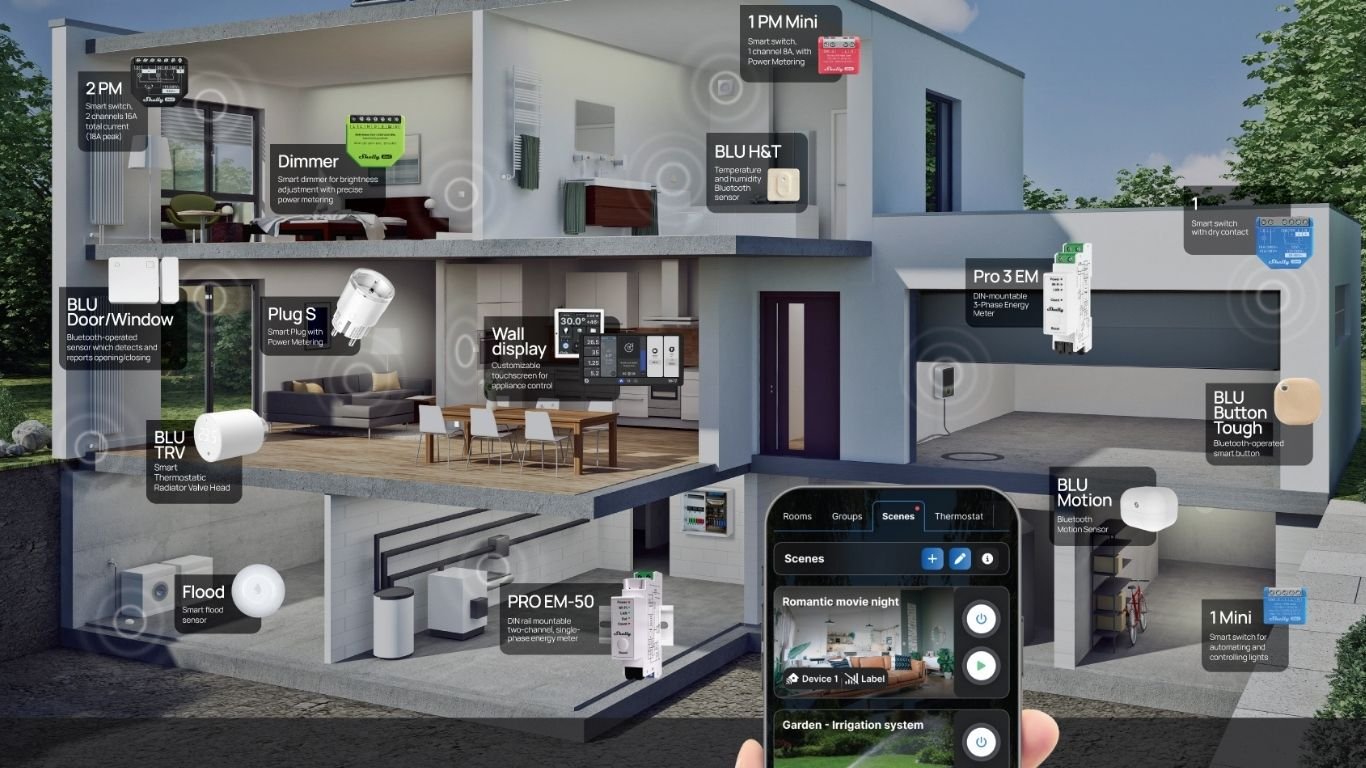
Smart house devices are products that add sensing, control, monitoring, or automation to existing household systems. That could mean turning lights on by schedule, checking whether a window is open, measuring power use, or pausing heating when a room is being aired out.
The idea is not to replace every switch or appliance. It is to make ordinary systems easier to manage, especially across rooms and routines.
Whole-home energy monitoring helps households understand when electricity is used and identify opportunities to reduce consumption.
Smart Devices for Whole-House Energy Monitoring
Energy monitoring is often the most useful place to begin because it shows what is happening before you try to optimize it. The U.S. Department of Energy notes that whole-home energy monitoring can help households understand when electricity is used and spot opportunities to reduce consumption. This is especially helpful if your house has solar panels, an electric vehicle charger, a heat pump, a water heater, or pool equipment — anything that uses a meaningful amount of electricity and benefits from visibility.
- Use Shelly Pro 3EM for whole-home or circuit-level monitoring when you want a broad view of electricity consumption and production.
- Use Shelly EM Gen4 when you want to monitor a specific circuit or appliance more closely.
- Use the data to compare patterns, not just totals — for example, a water heater that runs at the wrong time or pool equipment that always starts during peak use.
For example, a whole-home meter can help you see the impact of a heat pump running through the evening, while a circuit monitor can isolate a single load such as an EV charger or a workshop outlet. That difference matters: broad monitoring tells you what is happening across the house, while circuit monitoring helps you understand one system at a time.
Smart Devices for House Lighting
Lighting is one of the easiest parts of a house to automate because it affects comfort every day. Good smart lighting should still feel normal to use at the wall, while adding schedules, scenes, and remote control in the background.
- Shelly 1 Gen4 is useful when you want to control lighting or another circuit and keep existing wall switches in place.
- Shelly 1PM Gen4 does the same thing while adding power measurement.
- Shelly Dimmer Gen4 is for compatible lighting when you want brightness control and smoother scenes.
Smart Devices for Heating and Cooling
Climate control becomes more useful when it responds to real conditions in the house, not just a fixed schedule. A temperature and humidity sensor can help you trigger heating and cooling routines based on comfort, occupancy, or window status.
Shelly H&T Gen3 monitors temperature and humidity and can support climate automations. In practice, that could mean keeping a bathroom fan on when humidity stays high or adjusting a room routine after a cold night.
One especially useful idea is a window-open pause: if a window is open, climate routines can be held back until the room is closed again. That keeps automation aligned with how people actually use the space.
Smart Devices for Roller Shutters and Blinds
Shutters and blinds are often overlooked, but they can make a noticeable difference in privacy, daylight, and heat management. Automated covers help a house feel more comfortable without constant manual adjustment.
Shelly 2PM Gen4 is designed for motors and covers such as shutters and blinds. Typical routines include opening with sunrise, closing in the evening, lowering blinds during strong afternoon sun, or setting a privacy scene at night.
Smart Devices for House Security and Awareness
Security awareness is different from a certified alarm system. It is about knowing what is happening in and around the house, then automating simple actions or alerts.
Shelly BLU Door/Window can detect door and window status. Shelly BLU Motion is intended for motion-based and presence-aware automations, and Shelly Flood is designed to detect water presence and send early alerts.
Smart Devices for the Garage and Outdoor Areas
Garage and outdoor spaces benefit from automation because they are often used at odd hours and need both convenience and visibility. Motion-triggered lighting can make pathways safer, while connected control can help manage equipment or exterior fixtures from inside the house.
Shelly BLU Motion is a good fit for movement-aware routines in hallways, garages, and outside areas where temporary lighting or alerts are helpful.
Common examples include turning on the driveway light when someone arrives, switching on a work light in the garage when motion is detected, or sending a reminder if an exterior door is left open.
Smart Devices for Everyday Appliances
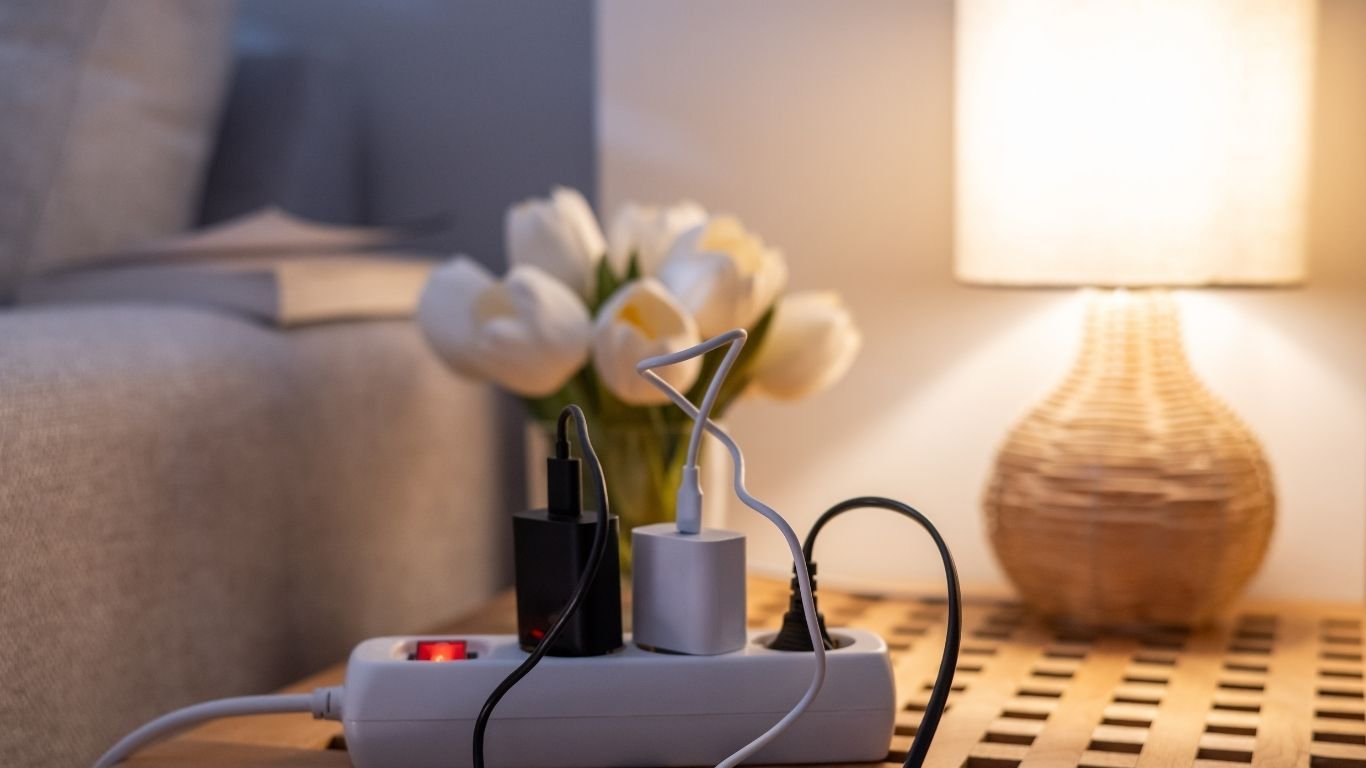
Plug-in devices are often the fastest way to make an appliance part of a broader automation system. They are especially useful for items like fans, lamps, coffee machines, dehumidifiers, or seasonal equipment.
Shelly Plug M supports remote control, scheduling, and power monitoring for plug-in devices. That means you can check whether a device is running, schedule it for specific hours, or turn it off remotely if you forget.
Which Smart House Device Should You Start With?
If you are starting from scratch, choose the device that solves your biggest problem first. This keeps the system practical and avoids buying gadgets you will not use.
- If you want to understand electricity use across the whole house, start with Shelly Pro 3EM .
- If you want to track one specific circuit or appliance, start with Shelly EM Gen4.
- If lighting is the main pain point, start with Shelly 1 Gen4, 1PM Gen4, or Dimmer Gen4 depending on whether you need on/off control, power monitoring, or dimming.
- If comfort control is the priority, start with Shelly H&T Gen3.
- If shutters or blinds would make the biggest difference, start with Shelly 2PM Gen4.
- If you want awareness and simple alerts, start with Shelly BLU Door/Window, BLU Motion, or Flood depending on the space.
- If you mainly want a simple appliance upgrade, start with Shelly Plug M.
How Smart House Devices Work Together
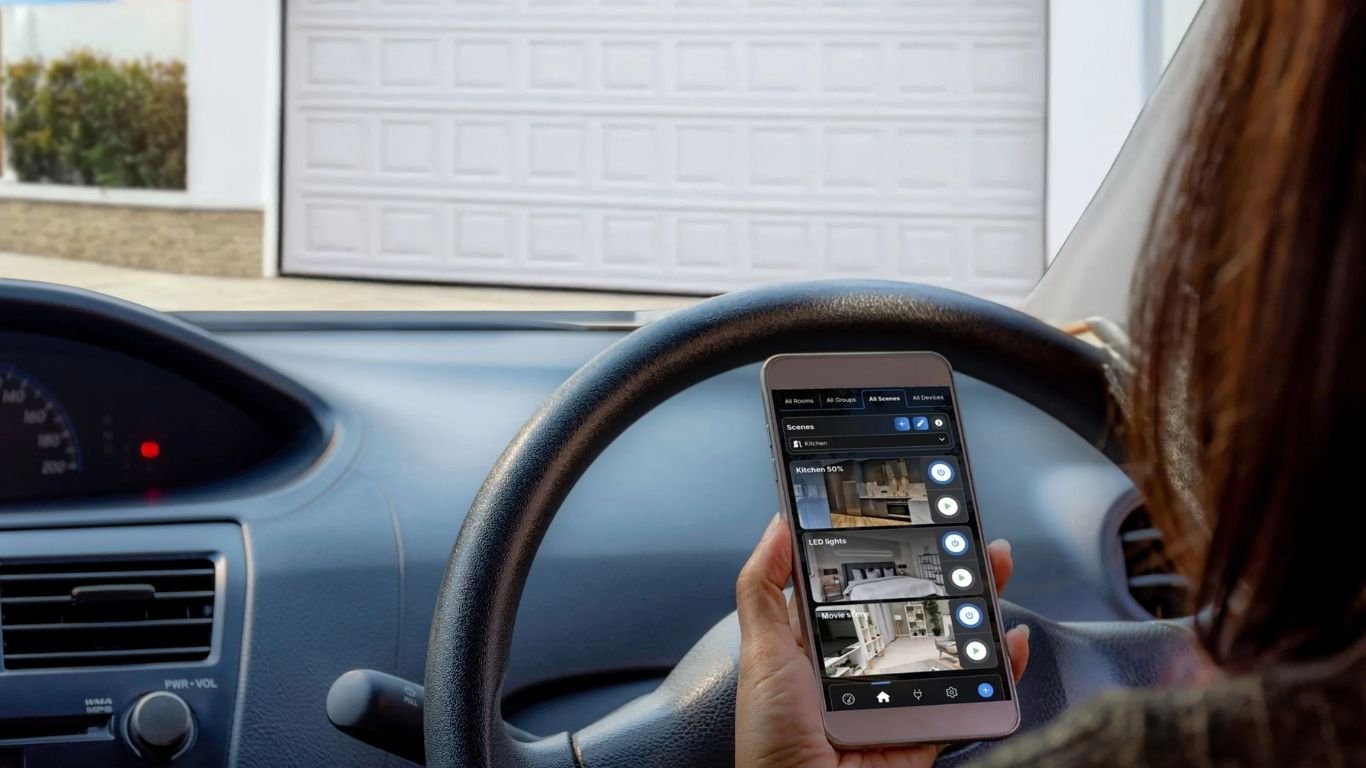
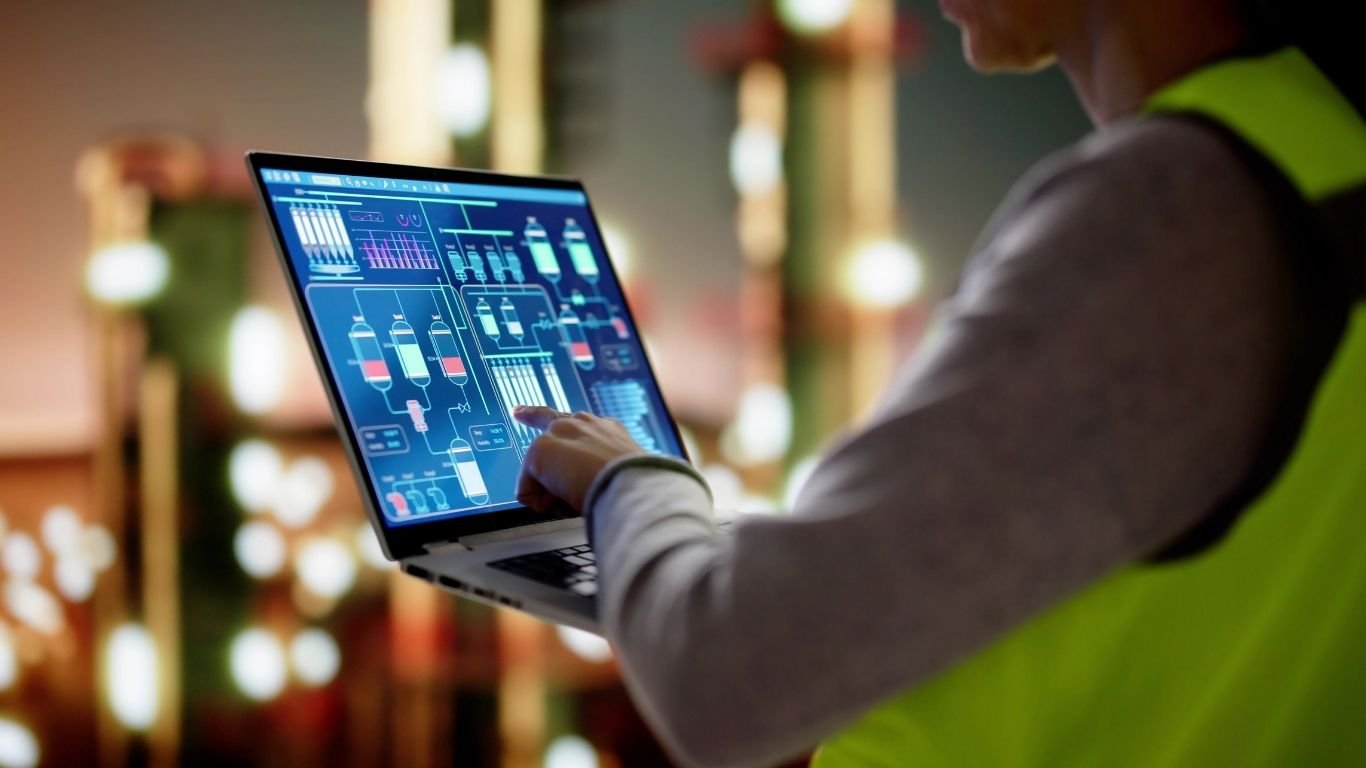
The real value of a smart house comes from combination, not just individual products. A central control layer can manage devices, rooms, schedules, scenes, energy data, notifications, and remote access, which makes it easier to build routines that feel connected rather than scattered.
- Automation chain 1: Shelly BLU Door/Window detects an open window → climate routine pauses → Shelly H&T Gen3 keeps tracking room conditions → when the window closes, the comfort routine resumes.
- Automation chain 2: Shelly BLU Motion detects movement in the garage → outdoor or garage light turns on via Shelly 1 Gen4 or 1PM Gen4 → Shelly Plug M powers a plugged-in work light or fan during the same time window.
- Automation chain 3: Shelly Pro 3EM shows high usage from a specific load → Shelly Smart Control sends a notification → you adjust schedules for the appliance or circuit being monitored.
These chains are useful because they reduce manual checking. Instead of opening an app to inspect every device, the house responds to what is actually happening — an open window, a dark hallway, a water leak, or a load that is running at the wrong time.
From Individual Devices to a Smarter Whole House
If you think in terms of systems — energy, lighting, climate, shutters, awareness, outdoor areas, and appliances — smart house devices become much easier to choose. The best setup is not the one with the most gadgets. It is the one that solves a real household problem, then connects that solution to the rest of the house in a useful way.
Start with the biggest gap in your current routine, add one device that addresses it well, and expand only when the next need is clear. That is how a smart house becomes genuinely helpful instead of just complicated.
Comments 0