
Smart Home Technology: How It Works and Why It Matters
Smart home technology is the idea of making everyday home devices easier to control, automate, and monitor. Instead of treating lights, plugs, thermostats, sensors, and other devices as separate objects, a smart home system connects them so they can work together through an app, a voice assistant, or automatic rules.
For beginners, the appeal is simple: more comfort, more convenience, better visibility into energy use, and a home that can respond to real life. You do not need to rebuild your house to get started. In many cases, you can add one device at a time and expand gradually.

What Smart Home Technology Is in Simple Terms
At its core, smart home technology means that a device can do more than just stay on or off. It can sense something, send information, receive a command, or act on its own when a rule is triggered. A light might switch on when you arrive home. A plug might turn off after bedtime. A sensor might alert you if a door opens unexpectedly.
The “smart” part does not come from one special gadget. It comes from the connection between devices, apps, and automation. That connection is what turns individual products into a practical connected home.
How Smart Home Technology Works Behind the Scenes
Most smart home systems are built from a few basic parts. Sensors notice what is happening, such as motion, temperature, light, humidity, or water leaks. Devices do the physical work, like turning a light on, opening a relay, or adjusting a thermostat. Apps give you control from your phone or tablet. Automation lets the system respond automatically to a schedule, a sensor reading, or a command.
Connectivity is what links everything together. Many homes use Wi-Fi for easy setup, Bluetooth for short-range pairing, and newer standards such as Matter to improve compatibility across brands and platforms. The important idea for beginners is not the technical details, but the result: devices can talk to each other and behave in a more coordinated way.
What a Smart Home System Can Include
- Smart lighting such as bulbs, switches, dimmers, and relays
- Smart plugs and appliance controls for lamps, fans, and other small devices
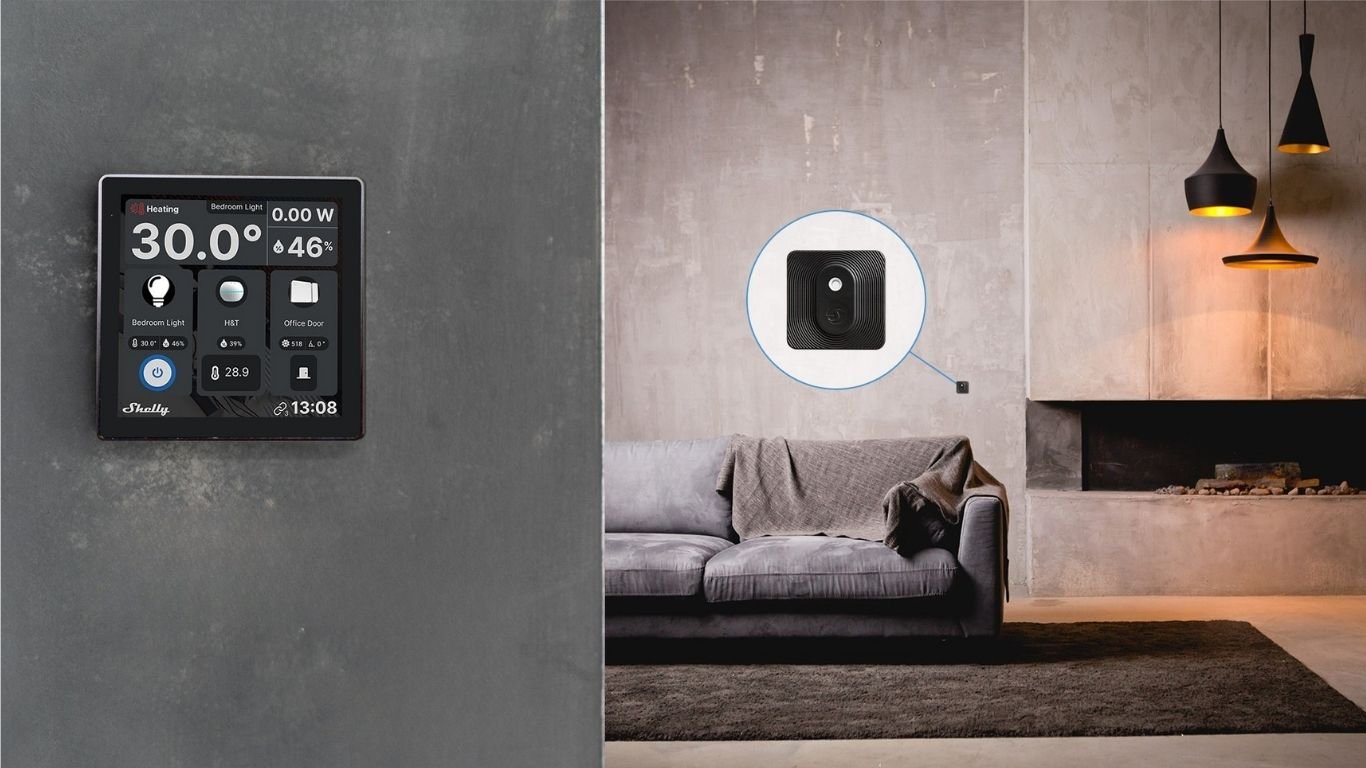
- Temperature, motion, door, and water-leak sensors
- Energy monitoring devices that help you see how power is being used
- Heating, cooling, and shading controls
- Security-related alerts for doors, windows, or unusual activity
Shelly devices are designed to work directly with a platform such as Google Home, Apple Home, or Alexa. Others work best with a local automation platform such as Home Assistant, which emphasizes local control and privacy. For a beginner, the most useful question is not “Which ecosystem is best?” but “Which one fits how I already use my home?”
What Smart Home Technology Can Do in Daily Life
The best smart home technology is not about novelty. It is about solving ordinary problems in a way that feels helpful rather than complicated. A few common examples show why many people start exploring home automation technology in the first place.
- Smart lighting: Turn lights on at sunset, dim them for movie night, or switch them off automatically when nobody is in the room.
- Energy monitoring: Use a home energy monitor to see electricity usage in real time or near real time, which can make it easier to understand what is using power around the house.
- Climate control: Adjust heating or cooling based on schedule, room use, or comfort preferences.
- Shading and blinds: Open or close shades automatically to help manage glare, privacy, and indoor comfort.
- Appliance automation: Set plugs or relays to run fans, lamps, coffee makers, or other compatible devices at specific times.
- Leak detection and alerts: Get notified quickly if a sensor detects water where it should not be.
- Smart home security: Receive alerts for doors, windows, or unexpected movement and respond faster to what is happening at home.
How Smart Home Technology Saves Time and Supports Energy Awareness
One of the biggest reasons people adopt smart home automation is to reduce small daily tasks. Instead of remembering to turn every light off, adjust every setting, or check every device manually, the home can handle some of those actions for you. That means less repetition and fewer moments of “Did I leave that on?”
Automation can also improve energy awareness. The EPA notes that scheduling and occupancy sensors can help reduce wasted lighting energy by matching operation to actual use. That does not mean every home will save the same amount, but it does mean smarter control can help you avoid unnecessary run time.
“Controls such as occupancy sensors and scheduling can help reduce energy waste by matching use to occupancy and operating needs.”
Choosing the Right Smart Home Devices
If you are just starting out, it helps to choose devices by goal instead of by brand or feature list. The table below shows common reasons people begin with connected home technology and the kinds of devices that usually fit best. The examples are intentionally practical and retrofit-friendly, so they can work in many existing homes without major changes.
For a flexible ecosystem, some homeowners look for devices that can fit different platforms and different projects. In practice, that means you can begin with one room, one sensor, or one circuit, then expand as your needs grow. A smart switch in the entryway, a power monitor near major appliances, or a leak sensor in the utility room can all be useful first steps.
Can You Upgrade an Existing Home?
Yes. In many cases, smart home upgrades are retrofit-friendly, which means they can be added to an existing house or apartment without replacing the entire electrical installation. That is one reason smart home technology has become accessible to homeowners and renters alike.
You might start with a few simple items: a smart plug in the living room, a motion sensor in a hallway, or a relay behind an existing switch. From there, you can add room by room. This incremental approach keeps the project manageable and helps you learn what is actually useful before committing to more devices.
That gradual path also makes it easier to avoid overcomplicating your setup. A practical smart home system often works best when it solves one problem clearly, then grows only when you see a real need for more automation or monitoring.
Why Matter and Platform Compatibility Matter
One challenge with smart home technology is that different devices do not always speak the same language. That is where interoperability matters. A more compatible device is easier to use across apps, speakers, and automation platforms.
Matter was designed to improve secure, reliable connectivity across smart home products and ecosystems. In everyday terms, that means better odds that your devices can work together now and still fit into future setups. It is not the only thing to think about, but it is an important signal for long-term flexibility.
- Google Home: Good for controlling compatible devices and creating routines that automate multiple actions.
- Apple Home: Lets you control accessories, create scenes and automations, and manage devices from Apple products.
- Alexa: Supports compatible devices, voice commands, and routines that respond to triggers.
- Home Assistant: A local-control, open-source option for people who want broad support and more privacy-focused automation.
For many households, the best approach is not to chase every new feature. Instead, choose devices that fit your current platform, support your routine, and leave room to grow. That is how a smart home ecosystem stays useful instead of becoming clutter.
How to Start Small and Build a Practical Smart Home
A good beginner setup usually starts with one clear goal. If you want convenience, start with lighting or plugs. If you want insight, start with energy monitoring. If you want awareness, start with a motion or leak sensor. If you want a more connected routine, start with a simple scene such as “good night” or “leaving home.”
From there, look for devices that can expand with your needs. A flexible smart home system might begin in one room and later spread to the rest of the house, with each addition making life a little easier. That room-by-room path is especially helpful if you are balancing budget, time, or the limits of an existing property.
FAQ: Smart Home Technology Basics
What is smart home technology?
Smart home technology is a way to connect devices in your home so you can control them, automate them, and monitor them more easily. It combines sensors, devices, apps, and rules into one system.
How does smart home technology work?
Devices collect information or carry out actions, an app or platform manages the setup, and automation rules tell the system what to do in response to time, motion, temperature, or other triggers.
Do I need to renovate my house to add smart devices?
No. Many smart home upgrades are retrofit-friendly and can be added gradually to an existing home or apartment.
What should I buy first?
For convenience, start with lighting or smart plugs. For visibility, start with energy monitoring. For awareness, start with motion, door, or leak sensors.
What does Matter mean for smart homes?
Matter is a compatibility standard designed to improve secure and reliable interoperability across smart home products and ecosystems.
Can smart home technology help with energy use?
Yes, especially when you use scheduling, occupancy-based automation, and home energy monitors to better understand when and how electricity is being used. Results will vary by home and habits.
Which platforms can control smart home devices?
Common options include Google Home, Apple Home, Alexa, and Home Assistant, depending on the devices you choose and the ecosystem you prefer.
Smart Home Technology Helps a Home Work Around You
At its best, smart home technology makes a house feel more responsive, more comfortable, and easier to manage. It can help you control everyday routines, understand energy use, and improve awareness around safety and security without demanding a full renovation. The key is to begin with one useful problem, choose compatible devices, and expand at your own pace.

Comments 0