
Dim Lights Before Bed: How Evening Lighting Affects Sleep
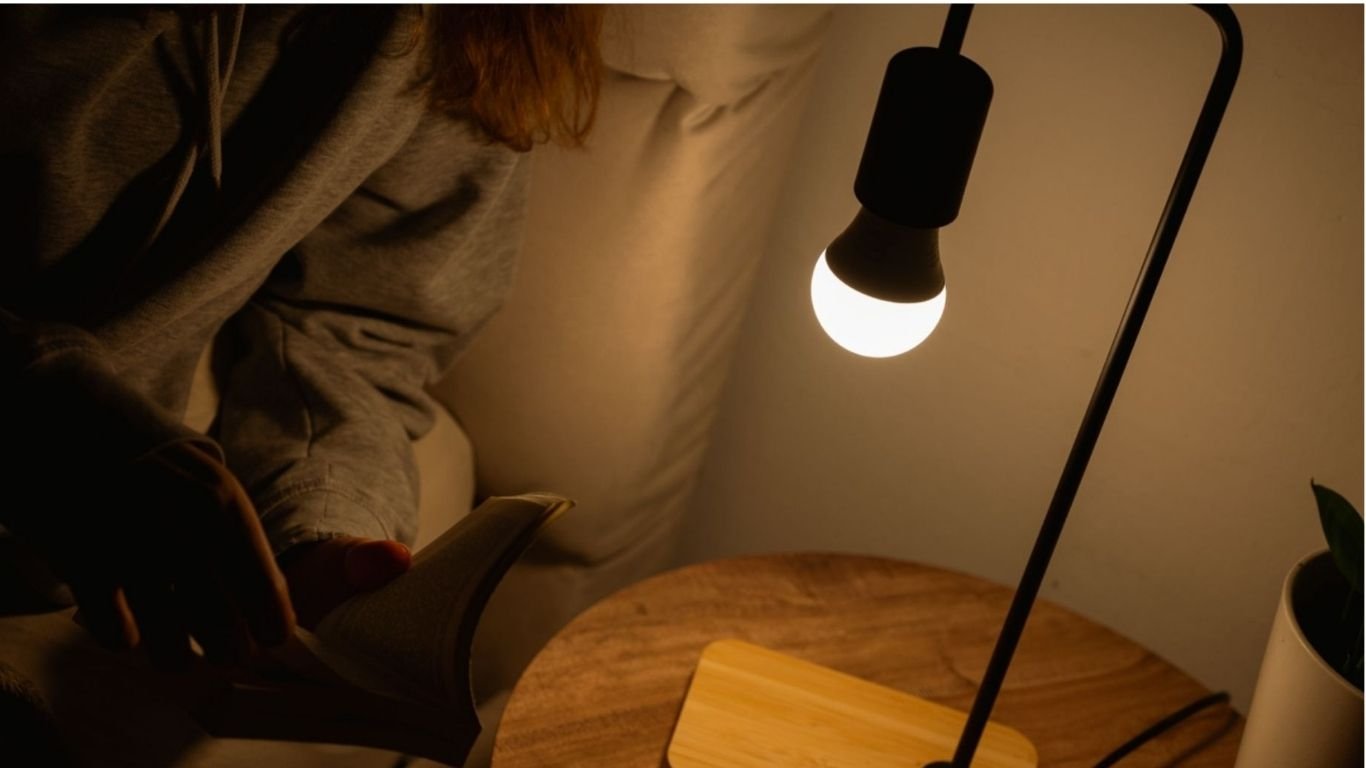
Many people dim their phone screen before bed while leaving the rest of the home fully illuminated. A bright ceiling fixture, kitchen downlights, bathroom mirror or hallway can keep the evening environment much brighter than it needs to be. If you want to dim lights before bed, the goal is not to create a perfect or medically prescribed routine. It is to make the transition from daytime activity to nighttime rest more gradual and consistent.
How Does Light Affect Your Body Clock?
Your circadian system is an approximately 24-hour biological timing system. It helps coordinate patterns such as sleepiness, alertness and hormone activity, and it is influenced by environmental signals including light and darkness. The National Institute of Neurological Disorders and Stroke explains that light is one of the cues that helps align these daily rhythms with the outside world.
Melatonin is one part of this nighttime biology. In ordinary conditions, melatonin production tends to rise in the evening as the body prepares for sleep. Light reaching the eyes at night can act as a signal that the day is not over yet, potentially affecting when melatonin rises and when the body’s internal night begins. That does not mean every lamp has the same effect, or that any evening light will prevent sleep. The response depends on the light and the person experiencing it.
What Happens When You Are Exposed to Bright Light at Night?
Controlled studies show that evening light can influence circadian timing and melatonin under particular conditions. In one study, participants using a light-emitting e-reader in the evening experienced delayed circadian timing, melatonin suppression and differences in next-morning alertness compared with reading a printed book; the findings describe a specific device and protocol, not every household lighting situation.
Spectrum also matters. Short-wavelength light, often discussed as blue light, has been associated with melatonin suppression and delayed circadian timing in controlled evening exposure research. But “blue light” is not the only variable. Brightness, distance, exposure duration, timing and individual sensitivity all matter. A systematic review of evening light research highlights the differences among light conditions and study designs.
Should You Dim the Lights Before Bed?
For many people, yes: dimming lights before sleep can be a simple way to make the home environment less stimulating in the later evening. It can also create a useful behavioral cue. When the lights shift from bright and functional to softer and more localized, it becomes easier to recognize that the day is moving toward its quieter phase.
However, dimming is not a universal requirement, and it should not be treated as a prescription for insomnia or other health conditions. People differ in their sensitivity to light, usual bedtime, work schedule, home layout and need for safe navigation. The most useful approach is to reduce unnecessary brightness while keeping enough light for comfortable, safe movement.
When Should You Start Dimming the Lights?
One hour before bed is a convenient starting point, not a universal biological threshold. If your intended bedtime is 23:00, you might begin a gradual lighting transition at 22:00. Someone who works late, has a different schedule or prefers a shorter wind-down may choose another interval. Consistency and comfort are more useful than forcing an exact clock-based rule.
- Bedtime minus 60 minutes: Reduce bright overhead lighting and keep the lights used for cooking, cleaning or work at practical levels.
- Bedtime minus 30 minutes: Lower the remaining ambient lights further and shift activity toward bedside lamps or indirect sources.
- Bedtime: Switch off main lights or leave only low-level lighting where it is needed for safety and navigation.
- Night: Use the lowest comfortable illumination for occasional movement rather than automatically turning on full brightness.
Brightness or Colour Temperature: Which Matters More?
Both matter, and neither should be considered in isolation. Lower intensity generally means less light entering the eyes, while a warmer colour temperature can reduce the short-wavelength component compared with a cooler, daylight-like setting. A warm, low-intensity lamp is therefore a practical choice for many evenings.
Changing colour temperature alone is not necessarily enough. A very bright warm lamp can still produce substantial evening exposure, and a dim cool lamp may deliver less total light than a bright one. Warm light is not biologically inert. Think of brightness, spectrum, timing and duration as a group of adjustable variables rather than searching for one perfect colour setting.
Why Your Ceiling Light May Be the Wrong Light Before Bed
A central ceiling fixture is designed to illuminate an entire room. That is useful for cleaning, cooking and getting dressed, but it can be more light than necessary when you are reading, talking or preparing for bed. Its position also spreads light broadly through the space and can make the home feel like it is still in daytime mode.
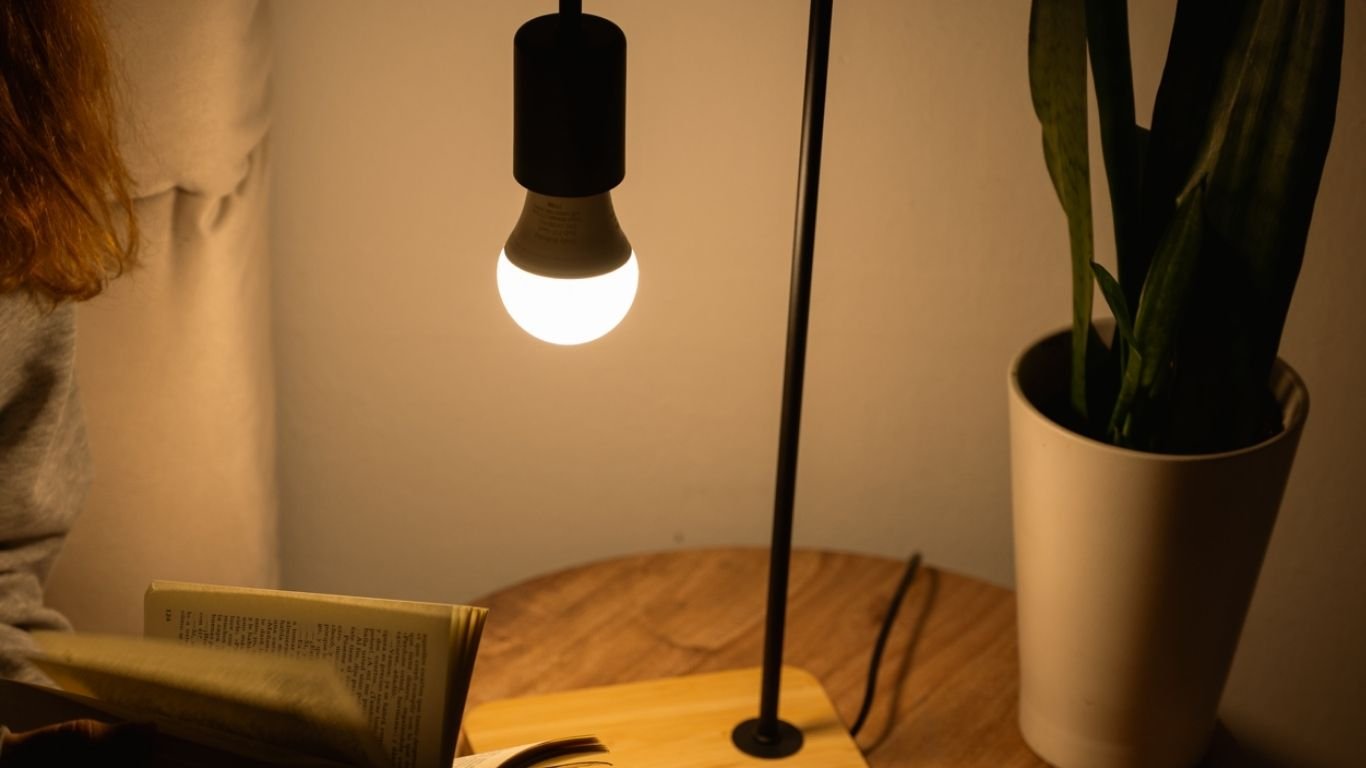
Layered lighting offers more control. A dimmed ceiling fixture, a low bedside lamp, a wall light aimed away from the eyes or an indirect LED strip can provide enough visibility without keeping every surface brightly lit. Indirect light behind furniture, under a bed or along a hallway can be especially useful because it supports navigation while avoiding the visual intensity of a bare overhead source.
A 60-Minute Lighting Wind-Down
The following timeline is an example for a 23:00 bedtime. It is a home-automation concept, not a set of health recommendations. Adjust the timing, light levels and rooms to your routine.
- 22:00 — Bedtime minus 60: Reduce general lighting in the living room, kitchen and bedroom. Keep task lighting available if you still need to prepare for the next day.
- 22:30 — Bedtime minus 30: Lower brightness further and leave warmer, indirect sources on. Turn off lights in rooms that are no longer being used.
- 23:00 — Bedtime: Switch off the main lights and keep only a low bedside or hallway level if needed.
- Overnight: Use a night scene or motion-triggered pathway light at a low setting instead of recalling the evening’s brighter scene.
How to Automate a Whole-Home Good Night Scene
Automation solves the most ordinary problem in bedtime lighting: remembering to adjust every room. A whole-home “Good Night” scene can lower or switch off compatible lights in stages, so the environment changes without a tour of every switch.
- At 22:00: Dim compatible living-room and bedroom circuits to illustrative lower levels, and move tunable bulbs toward a warmer setting.
- At 22:30: Turn off unused rooms, reduce the kitchen and living-room lights again, and leave indirect LED lighting active.
- At 23:00: Switch off the main lighting or set it to a minimal level, depending on the room and safety needs.
- After bedtime: Apply a dedicated night scene so a manual or motion-triggered activation does not restore full evening brightness.
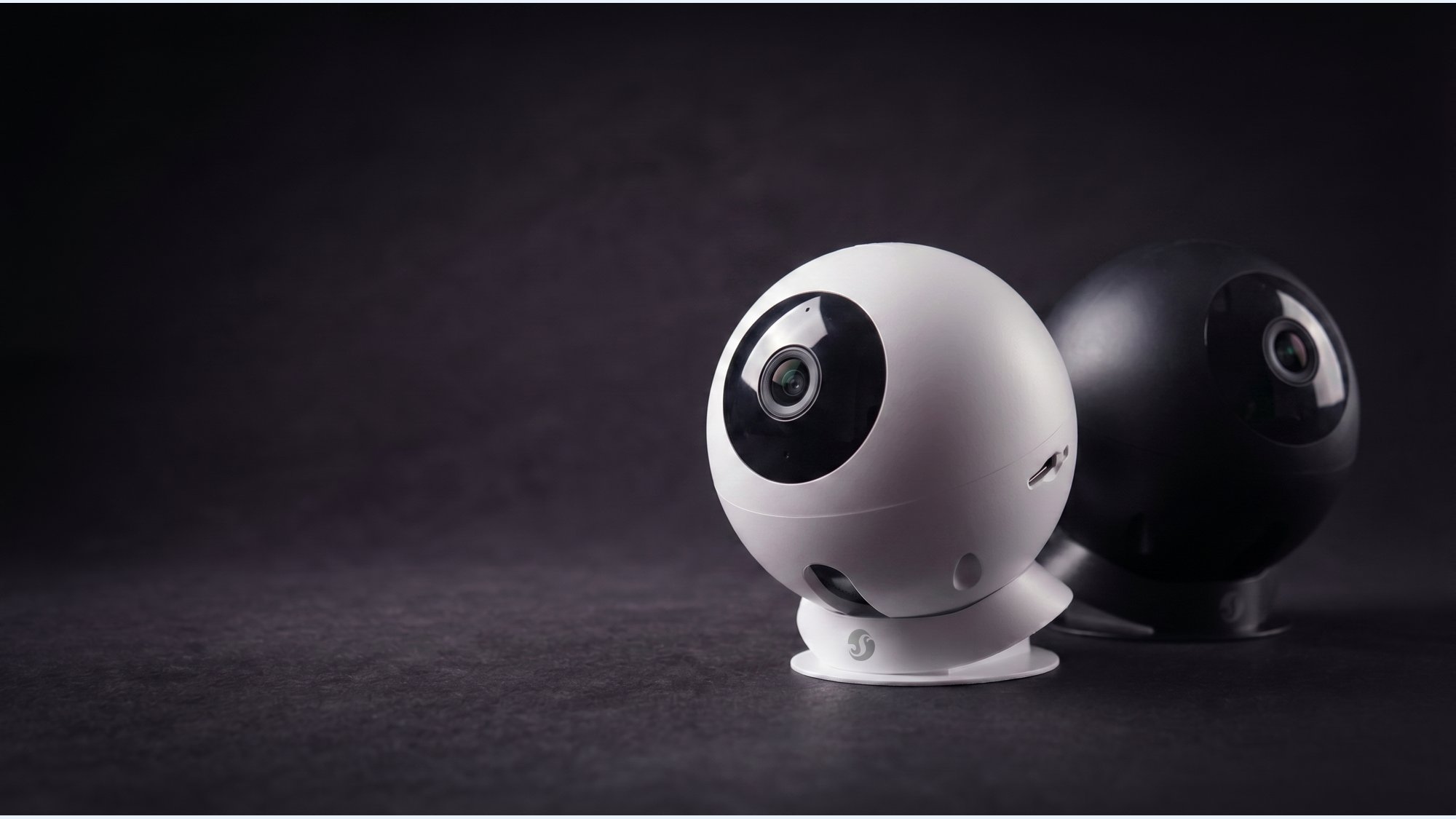
Products such as the Shelly Dimmer Gen4 can be considered for compatible dimmable circuits, while compatible Duo E27 bulbs can offer individual-lamp control where replacing the bulb is practical. For indirect accent lighting, the Shelly Plus RGBW PM is designed for compatible RGBW LED-strip applications. Exact capabilities, supported loads and current software options should always be checked in the official documentation before installation.
Night Mode and Lighting for Overnight Movement
A bedroom should not automatically be made completely dark if darkness creates a safety problem. Children, older adults, pets and anyone navigating stairs or a bathroom at night may benefit from carefully placed low-level lighting. The aim is to avoid unnecessary brightness, not to remove every visible light at any cost.
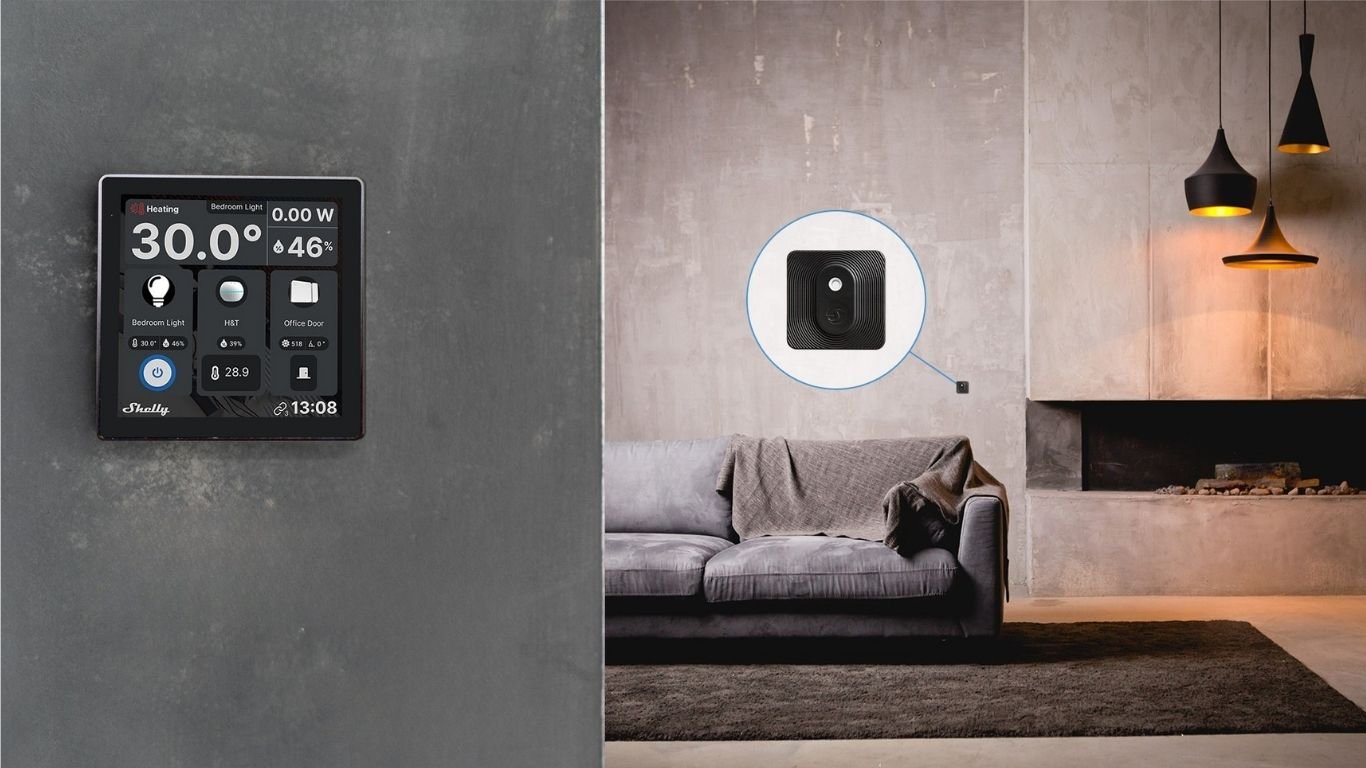
Where supported by the current device and software configuration, Night Mode can help keep a device or scene from returning to an unnecessarily bright setting during overnight hours. A motion-triggered hallway example could use a Shelly BLU Motion sensor to activate a low-level pathway light for a short period. This may make navigation easier, but it should not be described as preventing sleep disruption; the result depends on placement, brightness, timing and the individual.
Can Existing Lights Be Made Sleep-Friendly?
Often, a compatible existing dimmable installation can be automated without replacing the fixture. A smart dimmer may be installed behind or near a switch, depending on the product and local requirements. Whether that works depends on the lamp’s dimmability, minimum and maximum load, LED driver or transformer, wiring arrangement and the chosen device’s compatibility list.
Smart Bulb or Smart Dimmer for the Bedroom?
The right approach depends on the installation. A smart bulb is simple for a single lamp or rental-friendly setup, while a smart dimmer is usually more suitable when you want the existing wall switch and ceiling circuit to remain the main control point.
- Smart bulb: Useful for individual lamps and renters, provided the bulb remains powered and the fitting accepts the selected lamp.
- Smart dimmer: Useful for compatible existing dimmable circuits and wall-switch control, subject to load, driver and wiring checks.
- RGBW controller: Suitable for compatible LED strips when indirect, decorative or layered lighting is part of the plan.
- 0/1–10 V, DALI or DIN-rail solutions: Better suited to compatible professional, commercial or centralized lighting installations than to a basic bedside lamp.
Which Lighting Solution Fits Your Installation?
The following overview is a selection guide, not a substitute for checking current specifications. Product names, supported loads, control methods and availability can change, so confirm details on the relevant official product page before purchase.
Does Better Evening Lighting Improve Mental Health?
Sleep and mental wellbeing are connected, and adequate sleep supports health, safety and quality of life. The National Heart, Lung, and Blood Institute notes that insufficient sleep can affect physical and emotional wellbeing. That does not mean dimming lights treats depression, anxiety or insomnia, or that a lighting scene directly improves mental health.
Consider evening lighting one part of a broader sleep environment that may also include a consistent schedule, comfortable room conditions and appropriate professional support when sleep or mood problems persist. If you have ongoing insomnia, severe daytime sleepiness or mental-health concerns, speak with a qualified healthcare professional.
FAQ: Evening Light, Sleep and Smart Lighting
Should you dim lights before bed?
Reducing unnecessary bright light can be a practical part of a sleep-supportive routine. It is not required for everyone and cannot guarantee better sleep.
How long before bed should you dim the lights?
One hour is an easy example, but not a universal biological rule. You can begin earlier or later depending on your schedule, sensitivity and activities.
Is warm light the best light before bed?
Lower, warmer light is a practical evening choice, especially when it is indirect. But warm light can still affect circadian biology, particularly if it is bright, close to the eyes or used for a long time.
Is blue light the only issue?
No. Spectrum matters, but so do intensity, timing, duration, distance and individual sensitivity. A very bright warm source can still be a substantial evening light exposure.
Should a bedroom be completely dark?
Not necessarily. Darkness may be preferable for some people, but safe navigation can justify low-level night lighting. Use the lowest comfortable brightness and place it where it illuminates the route rather than shining directly toward the bed.
Can smart schedules dim existing lights?
They may, if the existing installation and smart device are compatible. Check dimmability, load, LED driver or transformer requirements and wiring conditions before selecting a smart dimmer.
What is Night Mode used for?
Where supported by the device and current software configuration, Night Mode can help apply different overnight behaviour, such as preventing a light from returning to a brighter daytime setting. Verify the exact function for your product before relying on it in an automation.
Your Home Can Start Preparing for Bedtime
The useful idea behind dimming lights before bed is simple: let the home change with the time of day. Bright, functional daytime lighting can gradually become lower evening lighting, warmer ambient light and, eventually, darkness or carefully placed night illumination.
Whether you use a smart bulb, a compatible dimmer, an LED-strip controller or a professional lighting system, automation can make the routine easier to follow. Start with one room, confirm compatibility and use illustrative timings that suit your life. Then let a whole-home Good Night scene handle the small adjustments you would otherwise have to remember every evening.
Comments 0