
What Smart Home Accessories Actually Do
When people search for smart home accessories, they often mean the small devices that make a connected home more useful day to day. These accessories add sensing, control, or automation to things you already have: lamps, appliances, blinds, doors, windows, and climate-related routines.
That makes them different from a standalone smart gadget that only does one job. A smart plug, relay, sensor, or energy meter is most helpful when it solves a specific problem such as wasted power, lights left on, a room that feels too warm, or a window that should trigger a notification. As the U.S. Department of Energy notes in the context of home energy audits, it helps to measure and understand where a home is wasting energy before deciding what to improve.
Best Smart Home Accessories for Beginners
If you are just starting out, the best entry points are usually the devices that are easiest to understand and most likely to solve an everyday annoyance. For many homes, that means smart plugs, simple motion sensors, and door or window sensors. These are among the best smart home accessories because they are practical before they are impressive.
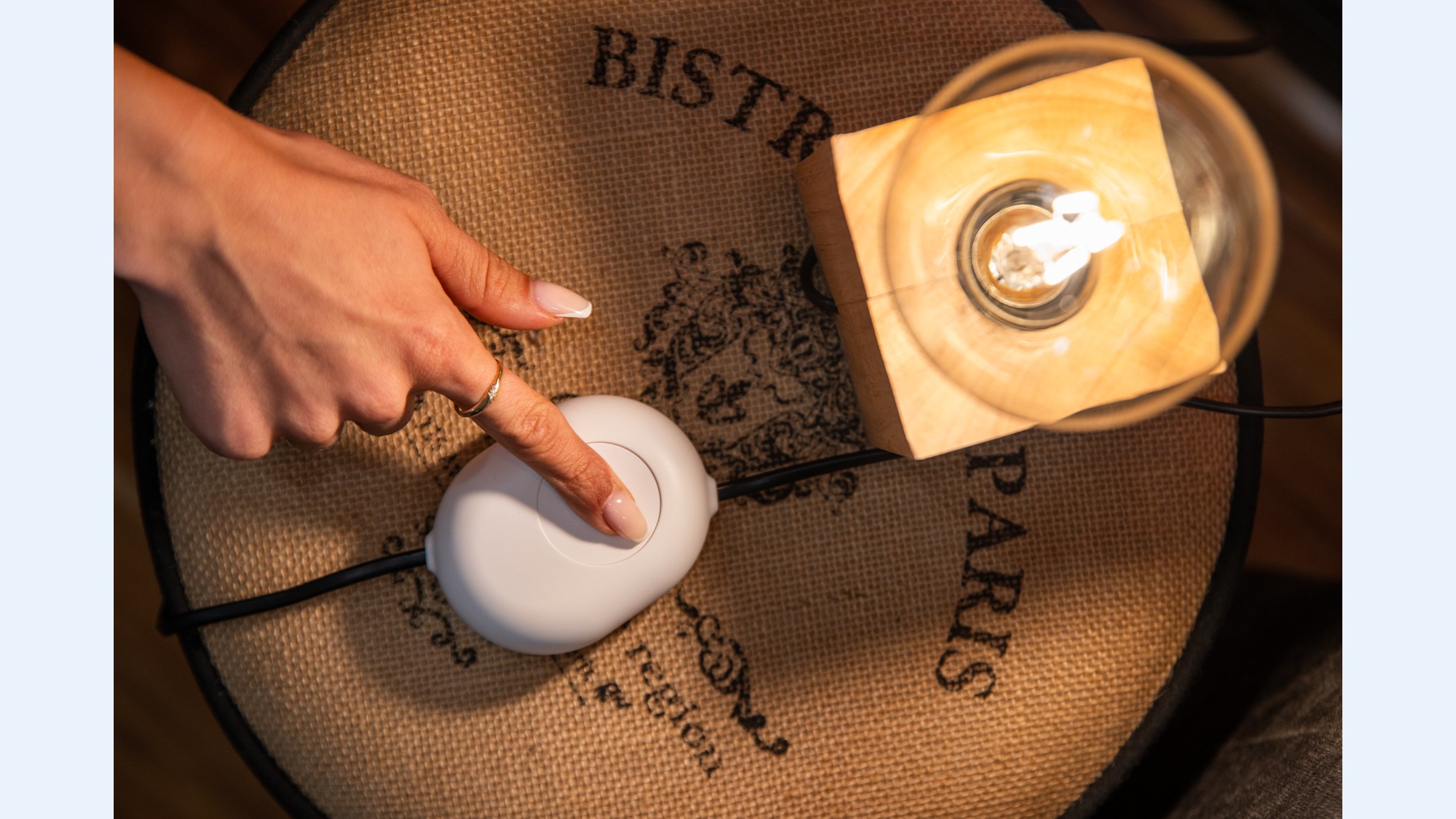
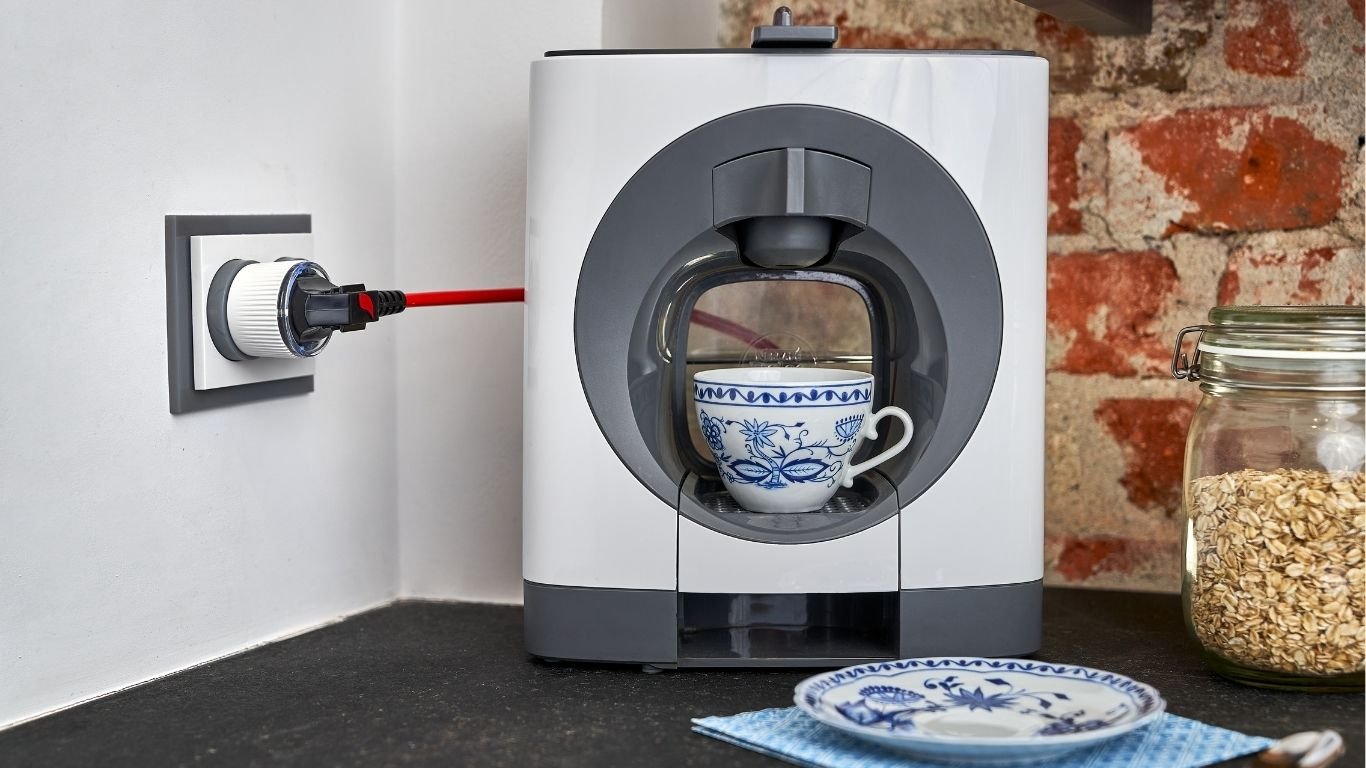
A smart plug can give you appliance control, schedules, timers, and power metering in one device Shelly Plug M. That makes it useful for a lamp, fan, coffee maker, holiday lights, or any device you want to manage without replacing it. A sensor-based setup is also easy to grow over time, which is helpful if you do not want to rebuild your whole home in one go.
- Smart plugs: Best for lamps and plug-in appliances you want to schedule, automate, or monitor.
- Basic motion sensors: Best for hallway, closet, or entry lighting that should react when someone enters.
- Door/window sensors: Best for checking whether something is open or closed and triggering a notification.
- Temperature and humidity sensors: Best for rooms that feel too dry, too warm, or too damp.
Smart Accessories for Energy Monitoring
If your main goal is to understand energy use, start with the devices that help you measure first, then automate. A smart plug with power metering can show how much energy an appliance uses, while an energy meter can help you see bigger patterns at the circuit or whole-home level. That is useful for spotting waste, comparing before-and-after behavior, and deciding what should be automated.
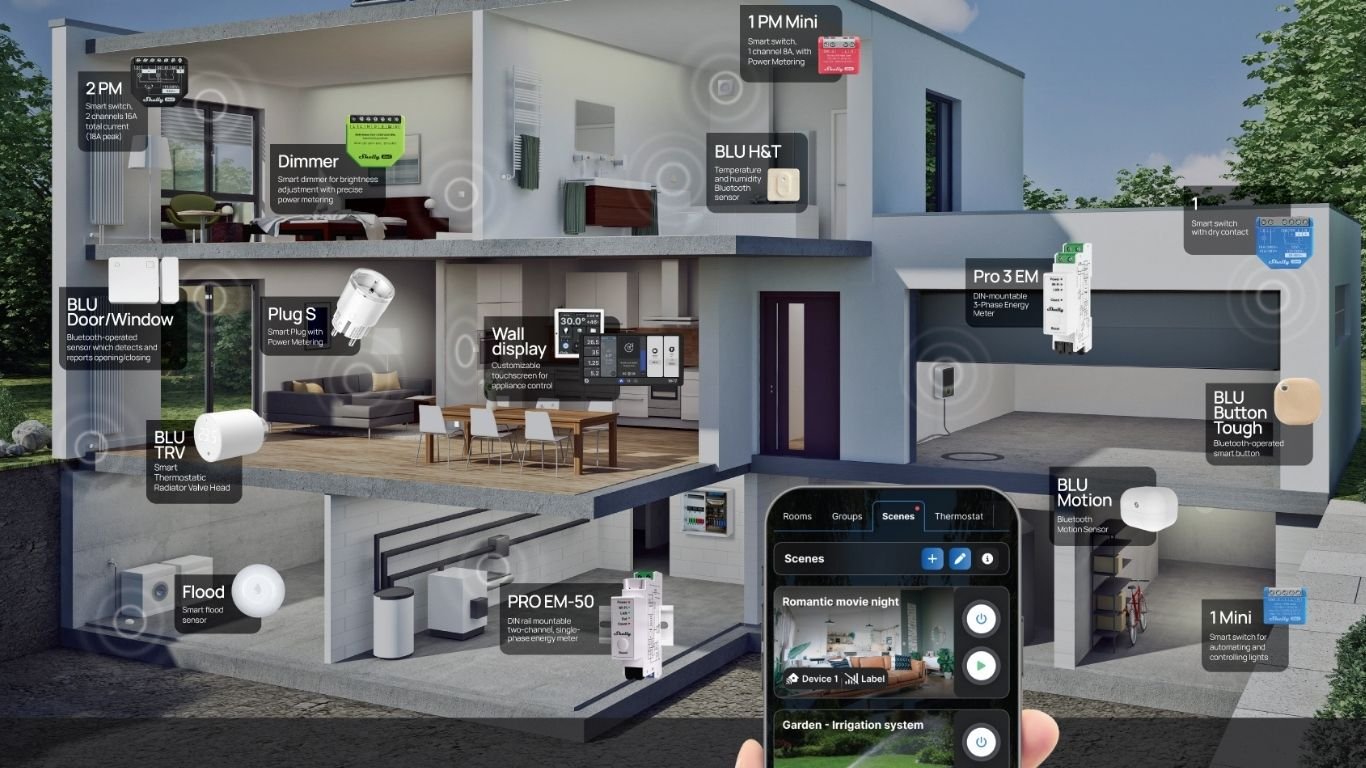
For example, a smart plug can monitor a space heater or entertainment setup, while a circuit-level meter can help track a larger part of the home Shelly EM Gen4 or even a three-phase system Shelly Pro 3EM. A device like Shelly 1PM Gen4 combines relay control with power monitoring, which is useful when you want both switching and visibility in one place.
Energy data is most useful when it helps you make a decision: keep, schedule, reduce, or automate.
Smart Accessories for Lighting Automation
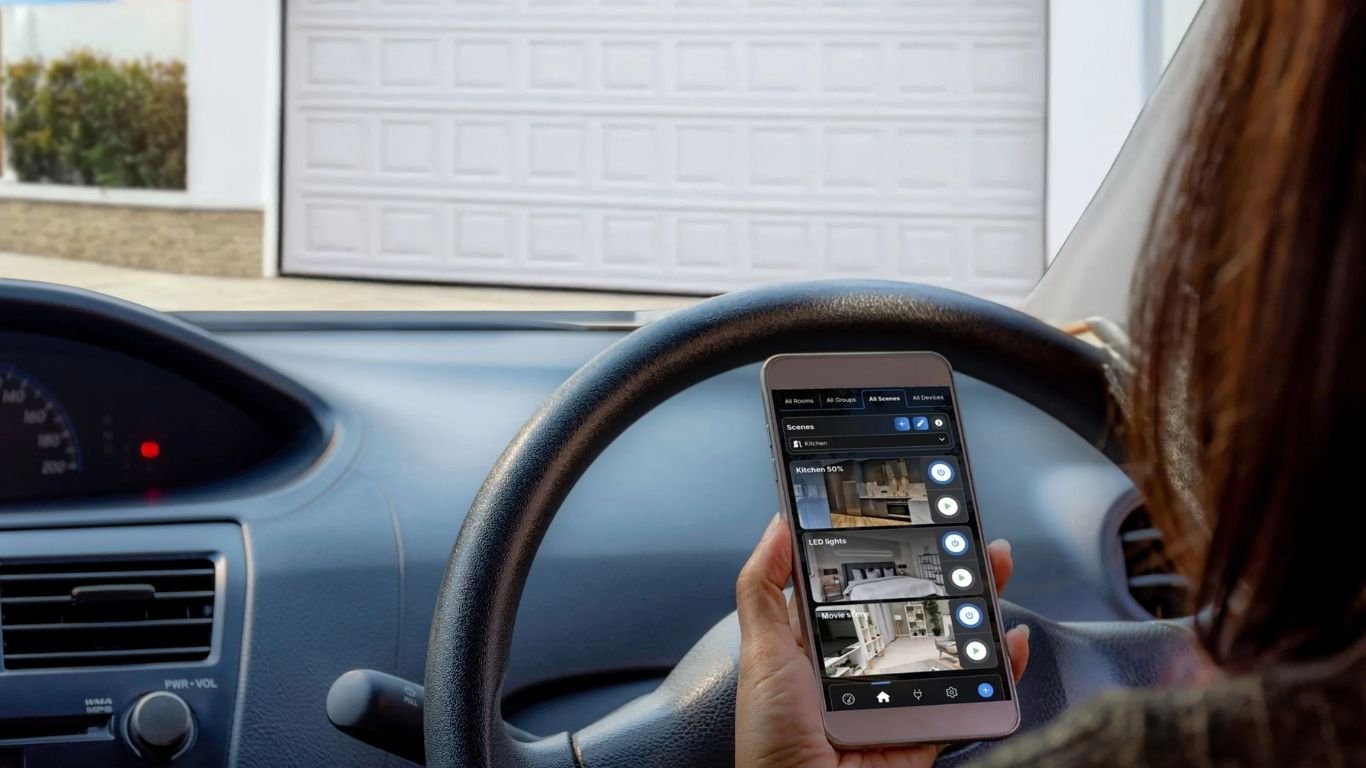
Lighting is often the easiest place to feel the value of smart home automation. The goal is not just to turn lights on with an app. It is to make lighting respond to real situations: arriving home, getting out of bed at night, entering a hallway, or leaving a room with your hands full.
Smart relays are useful when you want to upgrade existing switches or fixed lights instead of using only plug-in devices. A relay such as Shelly 1 Gen4 can be used for lights, appliances, and circuits with local control and automation support, while motion-based automation can help lights turn on only when someone is present Shelly BLU Motion. If you want more control over brightness or want to automate lights in a more nuanced way, dimming-capable setups are worth considering where compatible.
- Entryway: Motion-triggered light for arriving home after dark.
- Hallway: Short timed lighting that reduces the need to fumble for switches.
- Bedroom: Gentle automation for late-night movement without full brightness.
- Living room: Scheduled or scene-based lighting for evenings and weekends.
Smart Accessories for Comfort: Temperature, Humidity, and Shading
Comfort-focused accessories are about making rooms feel better without constant manual adjustments. A temperature and humidity sensor can help you see whether a nursery, bedroom, office, or basement is drifting outside the range you want Shelly H&T Gen3. That information can be used to trigger fans, heating, cooling, or dehumidifier routines if your setup supports them.
Shading is another comfort category that is easy to overlook. Blinds and roller shutters can reduce glare, add privacy, and help support a steadier indoor environment. A dual relay made for shading automation, such as Shelly 2PM Gen4, is designed for roller shutters, blinds, and motorized shading. In practice, that means your home can respond to morning sun, evening privacy needs, or hot afternoons more consistently than manual adjustment alone.
Smart Accessories for Home Security and Awareness
Security awareness devices help you know what is happening at home, but they should be treated as supporting tools, not replacements for certified alarm systems or professional security measures. The U.S. Cybersecurity and Infrastructure Security Agency emphasizes layered household security rather than relying on a single device.
That is where door/window sensors, motion sensors, and leak detectors fit in. A door/window sensor can send notifications or trigger automations when an entry point changes state Shelly BLU Door/Window. Motion sensors can help you notice activity in a hallway, garage, or office Shelly BLU Motion. Leak sensors can alert you to early water problems under a sink, near a washing machine, or by a water heater Shelly Flood.
- Door/window sensors: Good for status awareness and simple triggers.
- Motion sensors: Useful for occupancy-based lighting and alerts.
- Leak detectors: Best in kitchens, bathrooms, laundry rooms, and utility areas.
- Layered security: Works best alongside locks, alarms, and good household habits.
Smart Home Accessories by Room
The simplest way to shop is room by room. Instead of asking, “Which smart devices should I buy?” ask, “What problem does this room have?” That makes it easier to choose accessories that actually get used.
- Living room: Smart plugs for lamps or entertainment gear, plus lighting automation for evening scenes.
- Bedroom: Temperature and humidity monitoring, quiet lighting routines, and shading automation for better sleep conditions.
- Kitchen: Leak detection near sinks or appliances, and smart plugs for small countertop devices.
- Home office: Energy monitoring for equipment, occupancy-based lighting, and comfort sensors for long work sessions.
- Garage or utility room: Motion sensing, door status alerts, and leak detection in water-prone areas.
- Hallway or entry: Motion-triggered lights and door sensors for quick awareness when someone enters or exits.
What to Look for Before Buying
Before you buy any smart home accessory, check a few basics that affect how well it will fit your home. First, confirm compatibility: will it work with the ecosystem you already use, and does it support open standards such as Matter or the broader interoperability goals described by the Connectivity Standards Alliance. Better compatibility usually means less friction later.
Also consider local control, especially if you want your routines to work even when internet access is unreliable. Look at whether the device offers power monitoring, automation options, expandability, and the level of installation it requires. Some accessories are simple plug-in devices, while others are designed to be wired into existing circuits. If you are unsure, choose the simplest device that solves the problem you actually have.
Build Your Smart Home One Accessory at a Time
You do not need to automate every room at once to have a smarter home. A few well-chosen smart home accessories can deliver more value than a drawer full of gadgets you never set up. Start with the outcome you want most—lower energy waste, easier lighting, better comfort, or more awareness—and choose the device that addresses that problem first.
For many beginners, that means starting with a smart plug, a sensor, or an energy meter, then adding relays, shading control, or room-by-room automations later. With a problem-first approach, the best smart home accessories are not the flashiest ones. They are the ones that quietly make everyday life easier.
Comments 0