
What Is Shelly in Plain English?
If you are asking what Shelly smart home is, the simplest answer is this: Shelly is a smart home ecosystem that helps your house do more with the devices it already has. Instead of replacing everything, it adds control, measurement, and automation to lights, appliances, heating, blinds, garage doors, and other electrical systems. In Shelly’s own documentation, the platform is described as a set of devices for automating and monitoring electrical devices and appliances what is Shelly?

A helpful way to think about it: Shelly is less like a single gadget and more like a toolkit. One device may switch a light, another may detect motion, another may measure energy use, and together they can create automations that feel genuinely useful in everyday life. That is what makes the system interesting for beginners, renters, and homeowners who want smart home automation retrofit rather than a full rebuild.
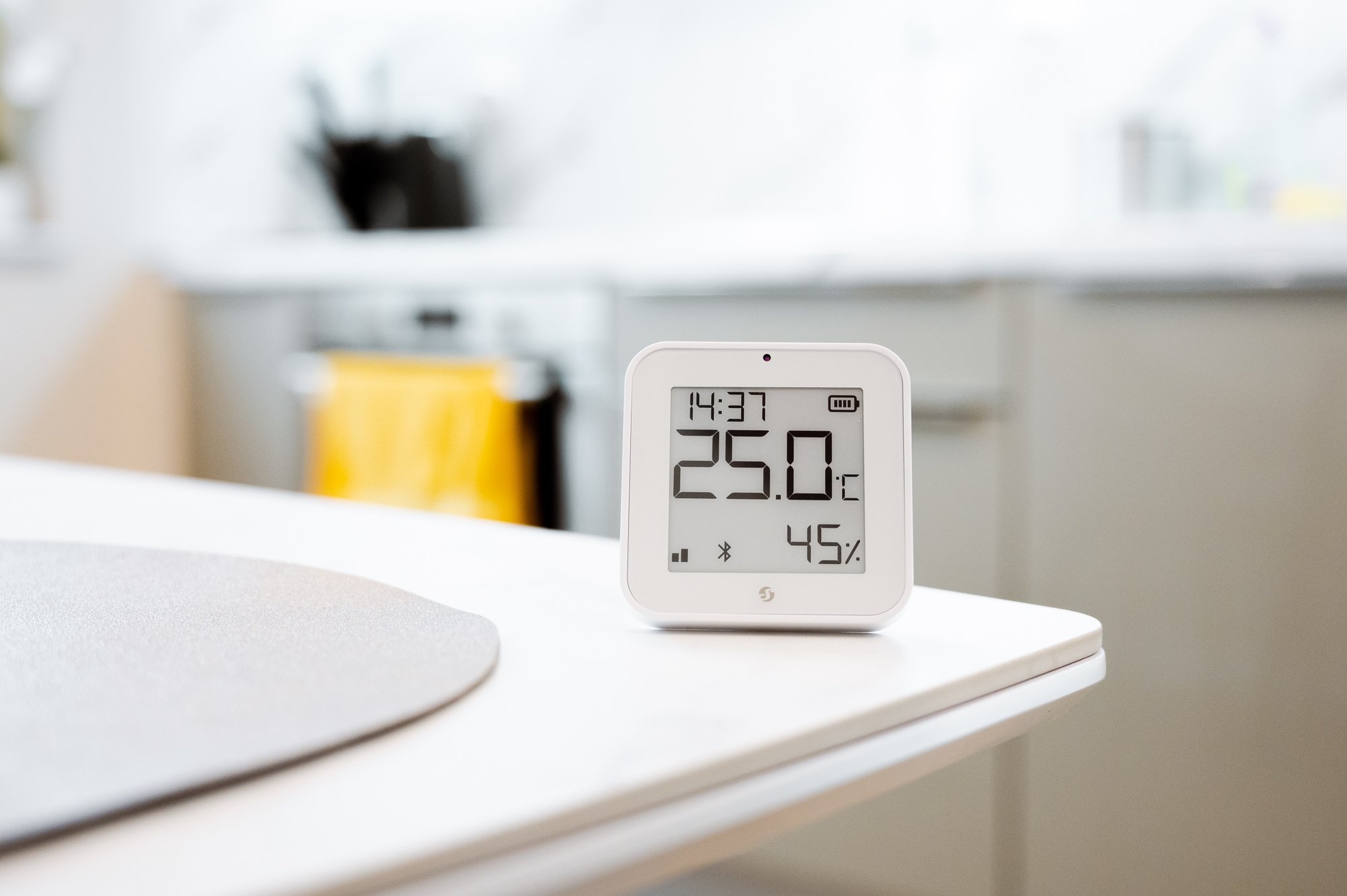
Why Shelly Is Different From Just Buying Random Smart Devices
Many people start with one smart plug or a single motion sensor. That can be useful, but it often stays isolated: one app for the plug, another for the sensor, and no bigger picture. A Shelly smart home ecosystem is different because the devices are meant to work together as part of a wider automation setup. Shelly relays, sensors, plugs, and meters can all feed into the same routines, so the house reacts to what is happening instead of just waiting for manual commands.
This is especially useful in retrofit projects. Rather than replacing an entire appliance or rewiring the home from scratch, Shelly devices can add smart control to existing infrastructure. Industry coverage has repeatedly highlighted this retrofit-friendly approach as one of the system’s strongest practical advantages, for people who want their home to feel smarter without turning renovation into a major project, which matters a lot.
Shelly devices are designed to automate and monitor existing electrical loads, which makes the platform useful for retrofit smart home setups.
The Main Shelly Building Blocks
Understanding Shelly becomes much easier when you break it into a few simple parts. Each category does a different job, and together they create a home that can respond automatically.
- Relays: Small control units that switch power to a light, appliance, or other electrical load. Shelly relay devices are used for lights, appliances, and similar controls Shelly Relays.
- Sensors: Devices that notice what is happening, such as motion or door/window status, and use that information to trigger automations. Shelly sensors can be used for motion-based and door/window-based actions Shelly Sensors.
- Smart plugs: Plug-in devices that let you control what is connected to them while also tracking power use. Shelly smart plugs combine control with power monitoring Shelly Plugs.
- Energy meters: Tools for seeing how much electricity a device or circuit is using. Shelly EM is designed for appliance- or circuit-level energy monitoring Shelly Energy Meters.
That mix matters because a useful smart home is not just about turning things on and off. It is also about noticing patterns. A sensor sees that someone walked into a room. A relay switches the light. A meter shows how much power a heater or appliance is using. A smart plug lets you control a fan or coffee machine without replacing the device itself. Together, these pieces turn ordinary hardware into something more responsive and easier to understand.
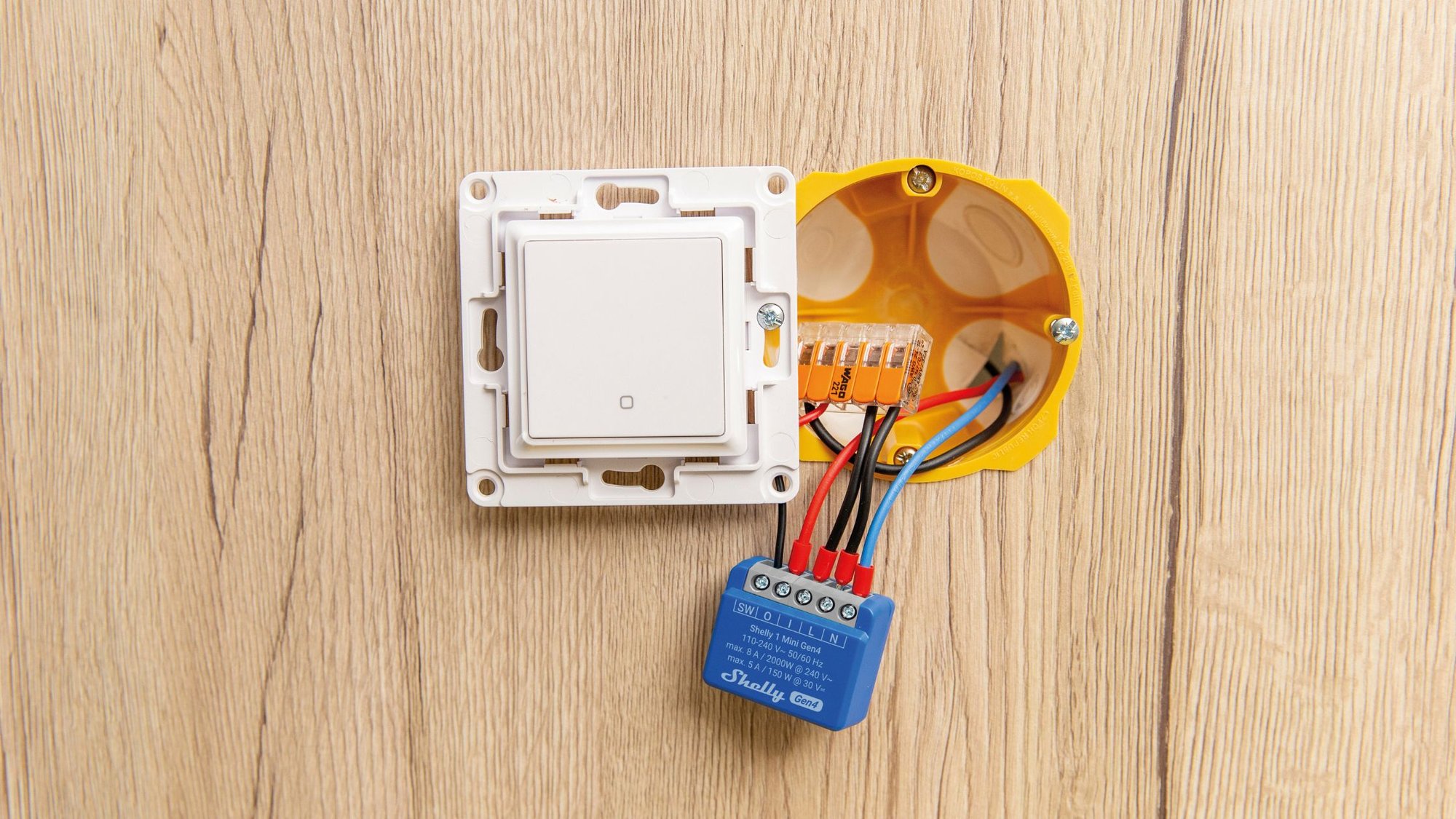
How Shelly Can Upgrade Everyday Things
The easiest way to understand the platform is to look at real-life examples. Shelly is useful because it can make ordinary household tasks more automatic without forcing you to replace the whole device. Here are some common uses.
- Lights: A relay can turn a ceiling light into a motion-aware light. For example, a hallway light can switch on when movement is detected and switch off later when the space is empty.
- Appliances: A smart plug can make a standing fan, lamp, or small kitchen appliance controllable from an app or automation routine, while also showing how much power it is drawing Shelly Smart Plug.
- Blinds: Shelly-style automation can open or close blinds on a schedule or in response to light and presence, helping rooms feel more comfortable without constant manual adjustment.
- Heating: Sensors can help a heating routine react to occupancy or room conditions, so the system is not running blindly when nobody is home.
- Garage doors: Automation can trigger opening or closing based on a button, schedule, or status condition, making daily arrivals and departures simpler.
One reason this approach appeals to beginners is that it maps to things they already understand. A light is still a light. A radiator is still a radiator. A garage door is still a garage door. The difference is that Shelly gives those things a way to respond to conditions, not just a manual switch.
What Makes the Ecosystem Useful in Daily Life
The real value of a smart home system is not that it feels high-tech. It is that it reduces small annoyances and makes the home easier to read. Shelly’s ecosystem is useful because it supports several everyday benefits at once.
- Convenience: Routine tasks happen automatically, such as turning on lights when you enter a room or powering off a device after a set time.
- Visibility: You can see what is happening around the home instead of guessing. For example, door/window sensors can show whether a window is open, and energy meters can show whether a circuit is drawing power Shelly BLU Door/Window Shelly EM.
- Energy awareness: Power monitoring helps you understand which devices use electricity and when. That does not automatically change your bill, but it gives you information you can actually act on.
- Safety and reassurance: Motion triggers, window status, and simple automation rules can help lights and appliances behave in more predictable ways.
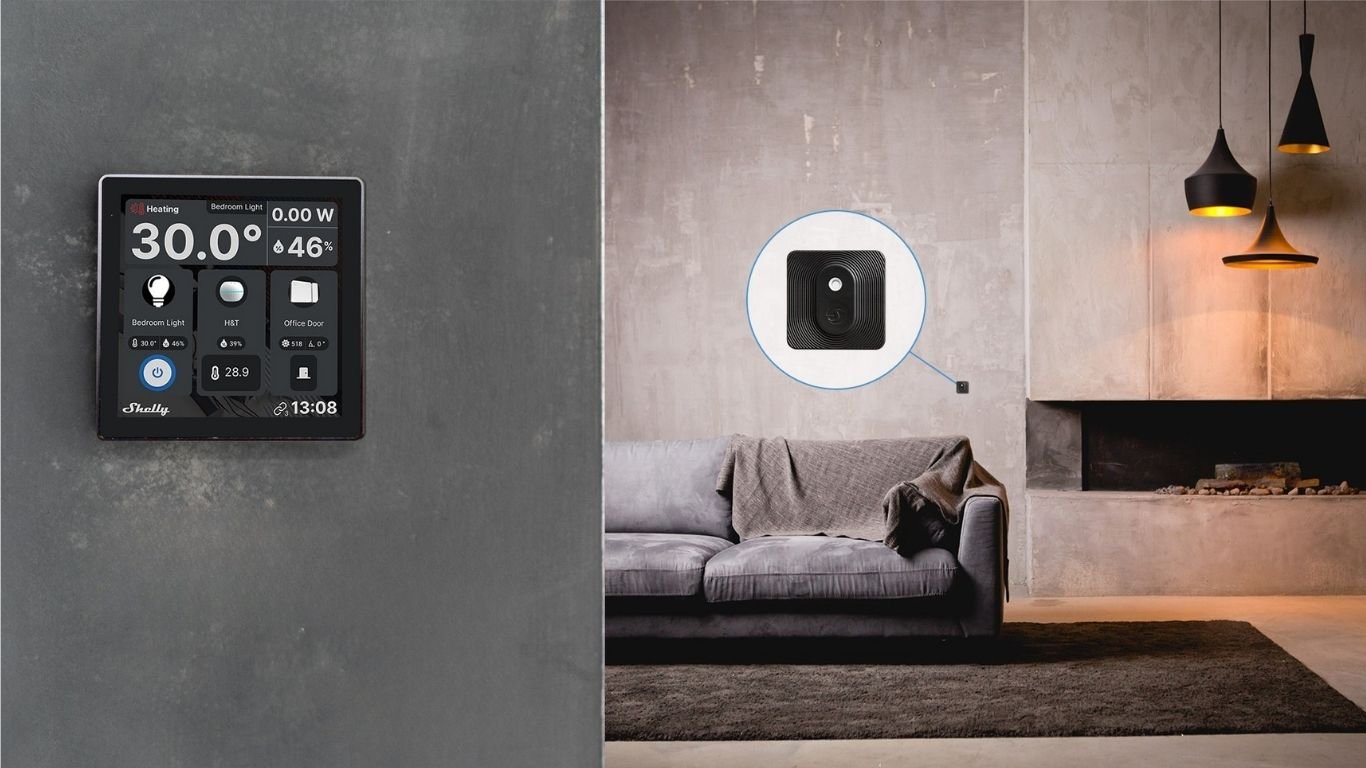
Another practical benefit is integration. Shelly devices can work with home automation platforms such as Home Assistant, which supports Shelly for local automation workflows Home Assistant integration. For many users, that means a roomful of separate functions can become one coordinated system.
Beginner Setup: What You Need to Know
For beginners, the key point is that Shelly includes both easy and more involved options. Some devices are simple plug-in products that go between the wall outlet and the appliance. Others are in-wall modules that sit behind a switch or inside an electrical box. That means the system can fit different comfort levels and different homes.
A useful way to plan is to start with the job, not the product. Ask: do I want to control a lamp, measure a fridge, detect a window being opened, or automate a hallway light? Once you know the goal, the device type becomes easier to choose. A plug-in solution is often the simplest place to begin, while a relay or meter may suit a more permanent retrofit project.
This is also where the ecosystem approach helps. A sensor alone is interesting, but a sensor linked to a relay or automation rule is useful. A smart plug alone can switch power, but a smart plug with monitoring gives you both control and insight. Shelly’s value is in connecting those functions so the house can act more intelligently, not just more remotely.
When Shelly Makes Sense — and When It May Not
Shelly makes the most sense when you already have things in your home that work fine but could be more convenient, measurable, or automatic. It is a strong fit for homeowners who want to improve one room at a time, renters who can use plug-in devices, and DIY-minded beginners who want practical home automation for beginners without starting from zero.
It may be less suitable if you want the most plug-and-play experience possible with no setup thought at all, or if your project depends on major electrical work you are not comfortable managing. In those cases, a simpler stand-alone smart device or a professionally installed system may be easier. The point is not that Shelly is for everyone; it is that it is especially good for people who want retrofit flexibility and useful automation from existing equipment.
Turning a House Into a Smarter System
So, what is Shelly smart home in practical terms? It is a retrofit-first ecosystem that helps your home become more useful by connecting control, sensing, and energy awareness around the things you already own. Shelly relay devices can switch lights and appliances. Smart plugs can add control and power monitoring. Energy meters can show what is using electricity. Sensors can trigger actions based on motion or door status.
That combination is what makes a smart home feel genuinely useful. It is not just about having a phone app for the sake of it. It is about making lights respond, appliances behave more intelligently, energy use easier to understand, and everyday routines a little smoother. For many people, that is exactly what a smart home should do.


Comments 0