
Why winter changes your smart home priorities
Polish winter changes the rhythm of a home. The days are shorter, the evenings arrive early, and damp air often lingers in bathrooms, hallways, and older flats. At the same time, heating becomes a bigger part of daily life: space heating is the largest end-use of energy in European households, so even small changes in routine can have a noticeable effect on comfort and energy use.
That is why smart home winter automations are less about novelty and more about making winter easier to live with. The best setups are simple: light when it gets dark, ventilate when humidity rises, warm the home when people are actually there, and get alerts if something looks wrong while you are away.
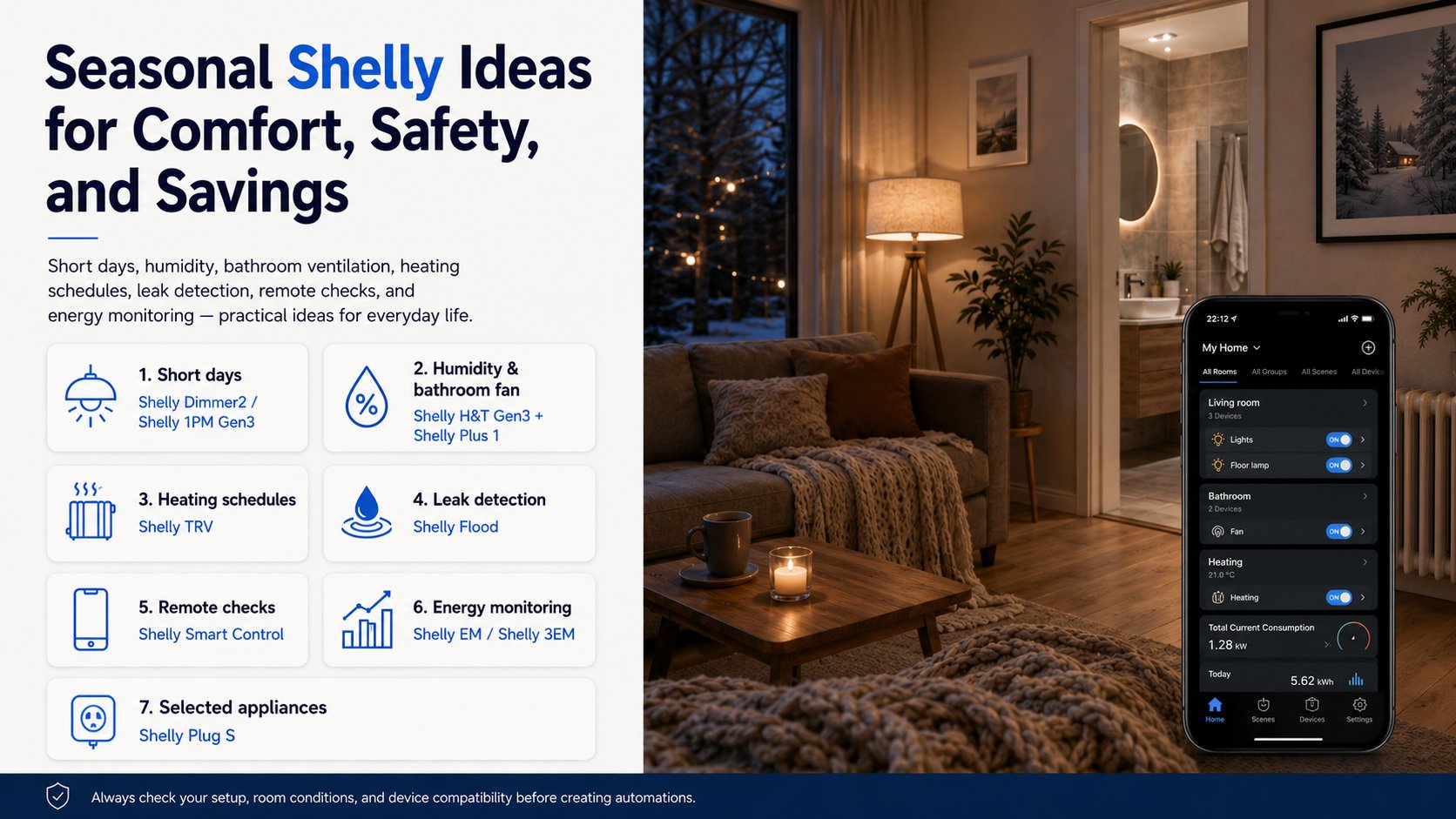
Short days: automate lighting for mornings, evenings and safety
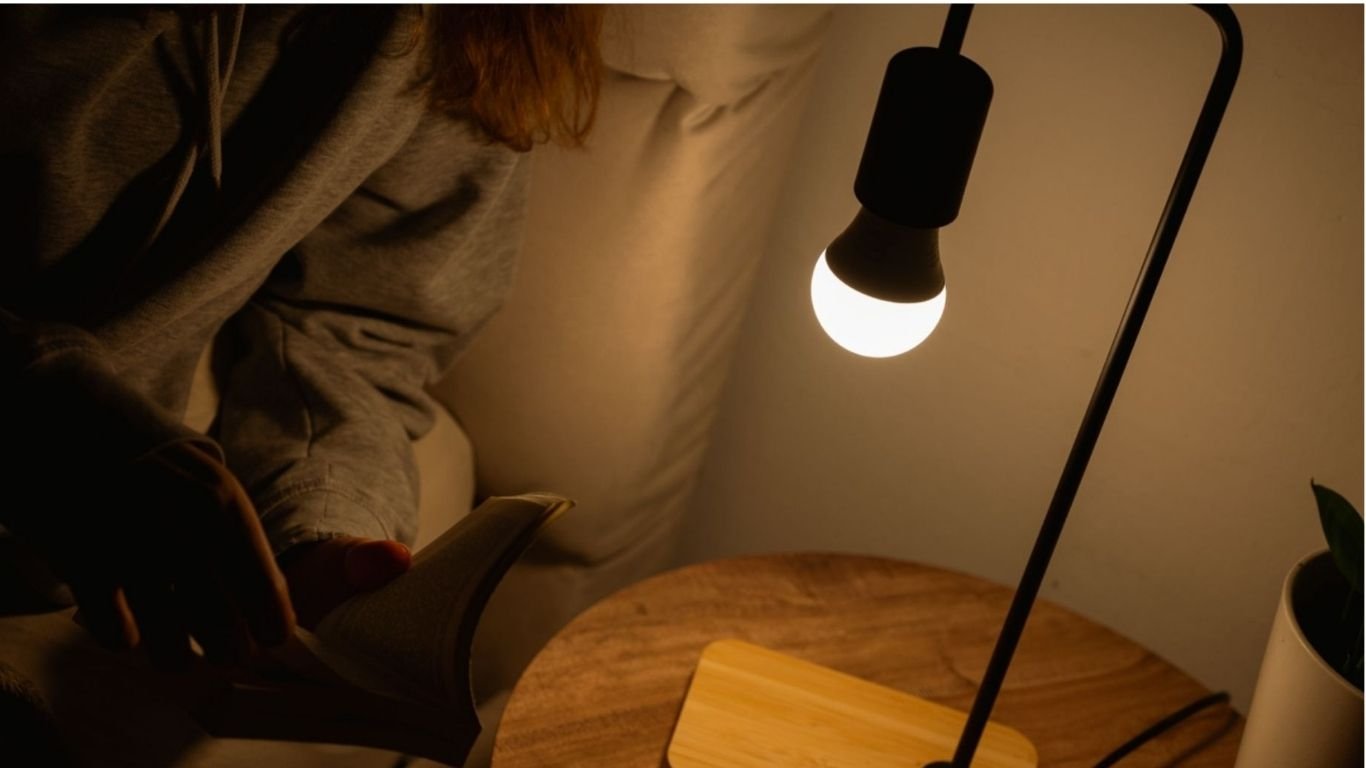
Winter daylight in Poland can feel brief and uneven: you leave home in the dark and come back in the dark. Seasonal changes naturally reduce daylight duration, so indoor lighting has to work harder to keep routines comfortable and safe. That makes lighting one of the most useful starting points for automation.
A good winter lighting routine does not need to be complex. You can turn on hallway or entry lights at dusk, use motion-triggered lighting in stairways or corridors, and keep a soft overnight light for late bathroom trips. In a flat, this can mean the difference between fumbling for a switch and walking through the home with clear visibility. In a house, it can also make entrances, basements, and utility areas feel safer in the early dark.
- Use a dusk-based rule to switch on hallway or entry lighting automatically.
- Add motion-triggered light in the route you use most after sunset.
- Keep stair lighting gentle but reliable for late-night movement.
- Create a "winter evening" scene with warmer light and fewer manual switches.
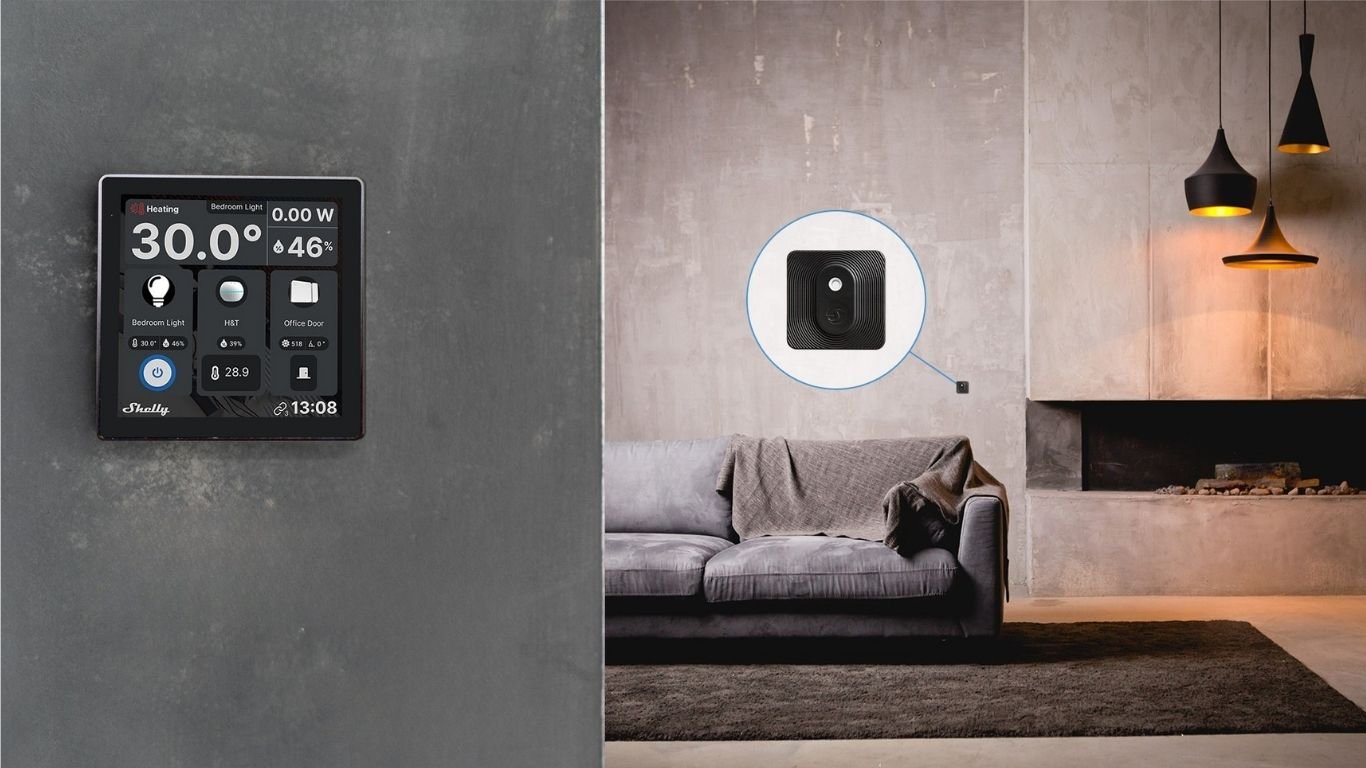
For motion-based automations, a device such as Shelly Motion can be used as a practical example: it is designed for movement detection and can trigger lights or send notifications. For relay-based control of lights or similar circuits, Shelly 1 is another example of a smart relay that can fit into automation setups. The point is not the device itself, but the winter habit it supports: making light appear where you need it without thinking about it every time.
Humidity and bathroom ventilation: a winter priority
Bathrooms are one of the clearest places where winter comfort and winter risk overlap. Hot showers create moisture, and in cold weather that moisture can linger on colder surfaces. The U.S. Environmental Protection Agency recommends controlling indoor humidity and keeping relative humidity in a moderate range, generally between 30% and 50%, to help reduce mold risk. Good ventilation matters just as much as the number on a sensor.
This makes bathroom humidity automation especially useful in winter. Instead of running the fan on guesswork, you can trigger ventilation when humidity rises above a chosen threshold, then keep it running for a set period after the shower ends. That approach helps remove moisture without leaving the fan running all evening.
A humidity sensor such as Shelly H&T can help monitor indoor conditions and support automations based on temperature and humidity. Used with a fan relay or smart switch, it can create a simple routine: moisture rises, ventilation starts, and the room dries out more consistently.
In winter, ventilation deserves extra care because people often hesitate to open windows for long. Automation can help bridge that gap, but it should not replace common sense: if you see condensation, persistent smells, or visible mold, the room may need more than a timer. The goal is to support healthy airflow, not to ignore a deeper ventilation issue.
Heating schedule ideas that match real routines
Heating is where winter automation can feel especially practical. Because heating is such a major energy use in households, it is worth aligning it with how the home is actually used. A schedule is often more effective than constant manual adjustment: warm the home before people wake up, reduce heating during work hours, and bring it back up before the evening return.
That does not mean every room must be treated the same. A bedroom may stay cooler than a living room. A bathroom may need a brief pre-shower warm-up. A hallway can usually be kept more modestly heated. The most useful automations tend to match comfort windows rather than trying to make the whole home equally warm all day.
- Set a morning warm-up window before people get out of bed.
- Lower setpoints during the day if the home is empty.
- Raise comfort levels shortly before the usual evening return.
- Use a temperature sensor to avoid heating rooms that are already warm enough.
- Avoid chasing the thermostat manually all day; let the schedule do the work.
For a simple sensor-based setup, Shelly H&T can provide temperature data that supports heating routines, while a smart plug can help track a portable heater or similar appliance when used appropriately. The key idea is not to over-automate, but to avoid heating by habit when nobody needs it. In a winter flat, even a modest improvement in timing can make the home feel steadier and less wasteful.
Leak detection and freeze-risk awareness
Winter does not only bring cold; it can also make water problems more consequential. A slow leak under a sink, a washing machine hose issue, or moisture around a boiler area can become harder to notice when rooms are closed up and people are busy indoors. If temperatures near vulnerable pipes fall too low, the risk rises further. Leak sensors do not prevent every problem, but they can make discovery much faster.
A sensible approach is to place leak sensors where water would appear first: under kitchen and bathroom sinks, behind or beside the washing machine, near a dishwasher, by a boiler or utility cabinet, and in any space where a pipe or connection is difficult to inspect regularly. In a house, a basement or utility room may also be worth covering. The goal is to catch water early, before it spreads into flooring or cabinetry.
Shelly Flood is a practical example of a sensor intended to detect water presence and send alerts. Used well, it can send a notification the moment moisture appears, giving you time to act. That said, a sensor is not a substitute for checking hoses, seals, and plumbing connections, especially before leaving for a winter trip.
Winter safety also includes heating safety. Carbon monoxide is an odorless gas produced by burning fuels, which is why fuel-burning appliances should be used and maintained carefully. Smart home devices can help you notice unusual conditions, but they are not a replacement for proper servicing or dedicated safety equipment.
Remote checks when you are away
Many winter situations are really about peace of mind. You are on a ski trip, visiting family, or spending a few days away, and you want to know whether the flat is warm enough, whether humidity is climbing, or whether a device was left on. Remote home monitoring turns those questions into quick checks instead of guesswork.
A smart plug is especially useful here because it can show whether an appliance is on and can sometimes provide power-use information as well. Shelly Plug is a clear example: it offers smart control and monitoring for connected appliances, which makes it handy for remote checks and energy awareness. That can be useful for confirming that a heater, dehumidifier, or other device is behaving as expected while you are away.
For a more complete winter check, combine remote alerts from temperature, humidity, motion, and leak sensors. A motion event in an otherwise empty home, a sudden humidity spike in a bathroom, or a leak alert near the sink gives a clearer picture than a single device alone. The value is in the small cluster of signals, not in one dramatic dashboard.
Energy monitoring: what winter consumption patterns reveal
Winter often exposes how a home really uses energy. A heater that runs longer than expected, a dehumidifier that starts to work harder, or a plug-in appliance that quietly draws more power than you thought can all show up in the numbers. Energy monitoring smart home tools help turn those patterns into practical decisions instead of vague concern.
That can be as simple as checking whether a portable heater is used only during the hours you intended, or whether a device is running continuously when it should cycle on and off. A smart plug such as Shelly Plug can help with monitoring connected appliances, while a smart relay or broader automation platform can tie those readings into routines. The point is to notice the shape of winter demand: when it spikes, where it happens, and what can be adjusted.
A simple winter setup using Shelly products
If you want a practical starting point, a few named products fit the winter use cases well. Shelly Motion can support lighting in dark hallways and entryways. Shelly H&T can watch temperature and humidity for rooms where winter moisture matters. Shelly Flood can help with leak detection. Shelly Plug adds remote control and monitoring for connected appliances. And Shelly 1 can serve as a relay for lighting or fan control.
Taken together, these are not magic devices; they are building blocks. In a winter-ready home, each one covers a specific pain point: darkness, dampness, heating rhythm, or the need to see what is happening when you are not there.
Start small and build a winter routine
The easiest way to approach smart home winter automations is to begin with the routines that matter most in your own home. Start with lighting, because dark mornings and early evenings are immediate. Then add humidity control in the bathroom, because winter moisture can create discomfort and long-term problems. After that, refine heating schedules, place leak sensors where water would appear first, and set up remote checks for trips or weekends away.
Winter in Poland is often about doing ordinary things with a little more intention: keeping warm, keeping dry, and keeping an eye on the home when the season makes everything feel slower and darker. The best automations do not add complexity for its own sake. They simply make winter easier to live through.
Week 2: add bathroom humidity monitoring and ventilation timing.
Week 3: set heating schedules for mornings and evenings.
Week 4: place leak sensors and review remote notifications.

Comments 0