
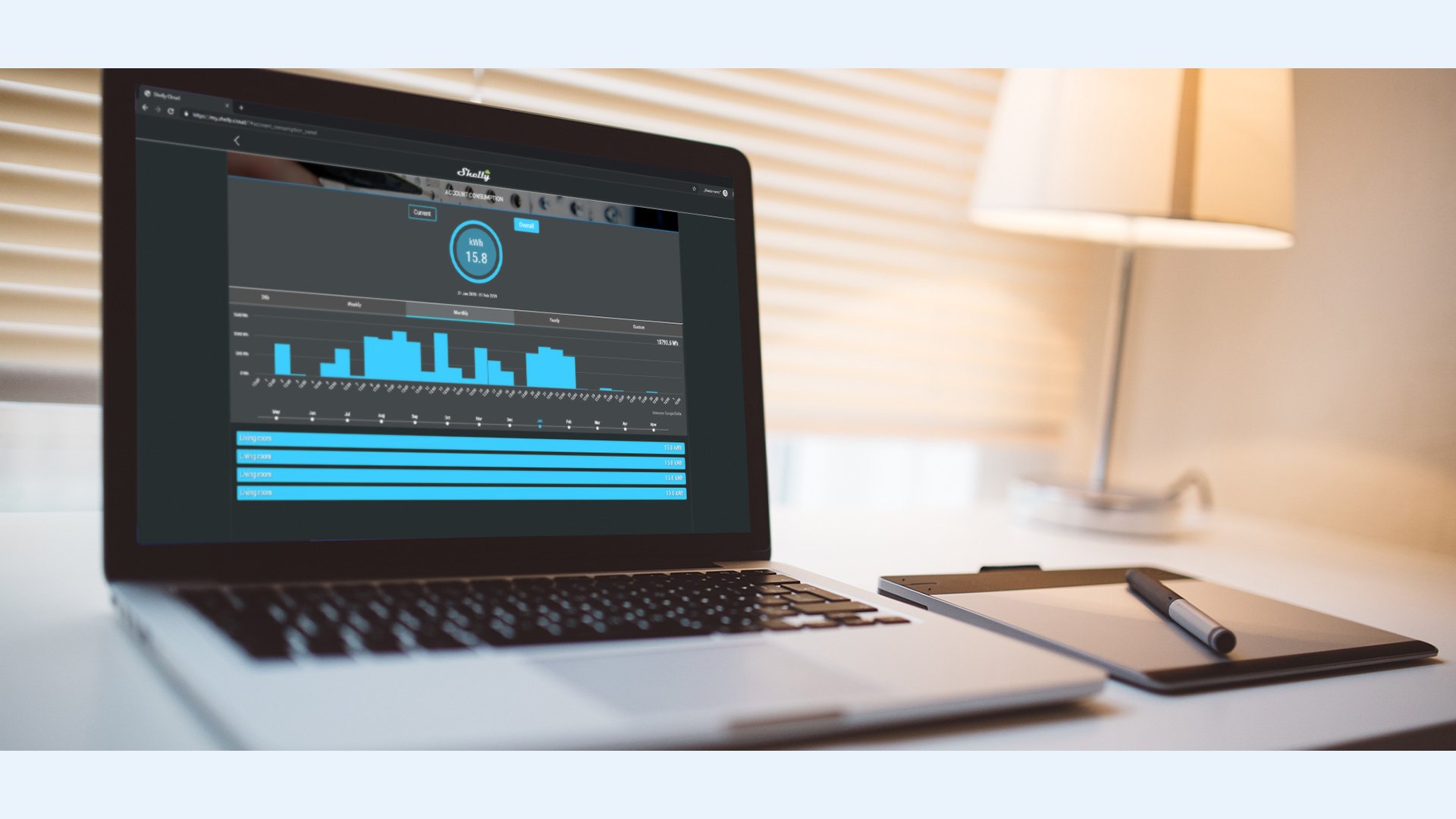
How to Know When an Appliance Is Using Too Much Electricity
An unexpectedly high electricity bill tells you that household consumption changed, but it rarely tells you which appliance caused the change. A heater may have run longer, a pump may have operated outside its normal schedule, or several small changes may have accumulated.
Instead of waiting for the bill, you can use a simple process: Measure → Detect → Alert → Investigate → Optimize. The aim is not to diagnose an appliance automatically. It is to spot meaningful changes early enough to investigate them.
How Can You Tell If an Appliance Is Using Too Much Electricity?
There is no single “too much” reading that applies to every appliance. The useful question is whether current behavior differs from an established baseline. That baseline should include three observations:
- Power draw: how much power the appliance uses at a particular moment, usually shown in watts (W) or kilowatts (kW).
- Runtime: how long it operates, including cycling and standby periods.
- Energy use: the accumulated electricity consumed over a period, usually shown in watt-hours (Wh) or kilowatt-hours (kWh).
Measure normal behavior over several representative days rather than relying on one reading. Compare similar conditions: a heating appliance on a cold day should be compared with other cold days, while a pump may need to be compared by schedule or water demand. A change is a prompt for investigation, not proof that the appliance is defective.
Power vs Energy: What Is the Difference?
Power is the rate at which electricity is being used at a moment in time. It is measured in watts or kilowatts. A 2 kW heater is drawing power at a rate of 2 kilowatts while its heating element is on.
Energy is the total amount used over time. It is measured in watt-hours or kilowatt-hours. If a 2 kW appliance operates continuously for one hour, it uses 2 kWh, assuming constant power. The U.S. Department of Energy explains this relationship using wattage, operating time and electricity rate as the basis for estimating energy use and cost.
This distinction matters when interpreting readings. A brief high-power startup may have little effect on daily energy use, while a moderate appliance running for many extra hours can add substantial kWh. In practice, use instantaneous power to understand what an appliance is doing now, and accumulated energy to understand its contribution over a day, week or billing period.
Why Might an Appliance Suddenly Use More Electricity?
Higher consumption can have ordinary causes. A heater may operate longer because the weather changed, a water heater may serve more people, or a dehumidifier may respond to wetter conditions. Settings, schedules, occupancy and seasonal demand can all change the pattern.
Maintenance and aging may also affect operation, but energy data alone cannot identify a specific mechanical or electrical fault. Treat unusual readings as evidence that something changed. Check schedules, settings, filters, vents, doors, water demand and environmental conditions before seeking professional help when appropriate.
Which Appliances Are Worth Monitoring?
Prioritize appliances that are high-powered, run for long periods, cycle unexpectedly or are difficult to observe directly. Common candidates include space heaters, water heaters, heat pumps, air conditioners, dehumidifiers, pumps, laundry equipment, refrigerators, freezers and home-office equipment.
Monitoring is not the same as automatic shutdown. A refrigerator, water pump, heating system or medical-related device may be essential or sensitive to interruption. First understand the pattern; only then consider whether switching is suitable.
How Can You Measure an Appliance’s Electricity Consumption?
The right measurement method depends on whether the appliance is plug-in, fixed-wired or part of a larger circuit. A whole-home monitor can show overall trends, but aggregate data cannot reliably identify every individual appliance by itself. Individual measurement is more useful when you need to attribute consumption to a specific load.
- Smart plug: suited to compatible plug-in appliances. A product such as Shelly Plug M combines plug-in control with power or energy monitoring for compatible loads. Check the current regional rating and product documentation before use.
- Power-monitoring relay: intended for suitable fixed electrical loads, with measurement and switching in one device. Shelly 1PM Gen4 and the compact Shelly 1PM Mini Gen4 are examples for compatible installations. They require correct installation and load assessment.
- Dedicated energy monitor: useful when you need to measure a circuit or load without placing a switch directly in its power path. Shelly EM Gen4 is positioned for electrical energy monitoring, while Shelly Pro 3EM supports broader, including multi-phase, electrical-system monitoring.
For larger installations, circuit-level monitoring can help separate a dedicated load or group of loads. It is different from identifying every appliance in a whole home. Installation type, electrical ratings, local regulations and access to the distribution board should determine whether a qualified professional is needed.
Basic Monitoring vs Monitoring With Alerts
Historical readings help you review what happened. Alerts add a way to respond while a condition is occurring. They are most useful when the condition is specific enough to be meaningful and tolerant enough to avoid normal variation.
What Is a Power Consumption Alert?
A power alert watches an instantaneous or short-term reading and reacts when it crosses a configured limit. For example, a notification might be appropriate if a normally idle appliance remains above a chosen wattage for several minutes.
An energy alert watches accumulated consumption, such as daily or monthly kWh. It answers a different question: not “is the appliance drawing a lot right now?” but “has it used more energy than expected over this period?” Other useful conditions can involve runtime, schedules, state changes or combinations of conditions.
Do not assume that every Shelly device offers the same native thresholds or notification methods. Current capabilities depend on the product, firmware, Shelly platform configuration and any third-party integration. Review the relevant Shelly Smart Control information and official support documentation for the specific device and current setup.
How to Get an Alert When an Appliance Uses Too Much Electricity
- Measure normal use. Record typical power, runtime and daily or weekly kWh under comparable conditions.
- Choose the right condition. Use a power threshold for an immediate draw, an energy threshold for accumulated use, or a runtime and schedule condition when those better describe the risk.
- Allow for normal variation. Include startup behavior, cycling, weather and expected demand. Where supported, use a delay or sustained-condition rule.
- Configure a supported notification or automation. Select the delivery method available in your platform, such as an in-app event or another configured integration.
- Test and review. Confirm that the condition is detected, the notification arrives and the threshold remains useful after several days.
Three Practical Monitoring Scenarios
1. Space heater
Establish the heater’s typical power when its element is on and compare daily runtime with outdoor temperature and thermostat settings. A sustained-power alert may reveal that it remains active longer than expected, while a daily kWh alert can highlight a gradual increase. The alert does not establish whether the cause is a setting, insulation issue, weather change or equipment fault.
2. Water heater
Water heaters often have predictable heating cycles, but usage changes when household demand changes. Monitor energy by day and compare it with occupancy, hot-water use and the configured temperature. An alert for unusual daily consumption can prompt checks of schedules, demand and visible signs of a problem. Because water heaters are commonly fixed high-load appliances, measurement and switching hardware must be selected and installed for the specific electrical load.
3. Pump
A pump may show short startup spikes followed by a lower running draw. More useful than reacting to every spike may be an alert for operation outside its normal schedule, unusually long runtime or high daily energy use. These patterns can indicate changed demand or a condition worth checking, but the monitor cannot identify the specific mechanical cause on its own.
Power Spike vs Continuous High Consumption
Motors, compressors and some power supplies can draw a brief startup surge. A threshold set just above normal running power may therefore trigger false alerts every time the appliance starts. A sustained high-power condition, by contrast, lasts long enough to affect energy use and may deserve attention.
Where the platform supports it, add a delay, minimum duration or schedule-aware condition. For energy-based monitoring, daily or weekly kWh can be more informative than a momentary wattage threshold. The best rule matches the appliance’s normal operating cycle.
Can You Automatically Turn Off an Appliance?
Some compatible plugs or relays can switch a load when an automation condition is met. That does not make the device an overload protector, and it does not make automatic shutdown appropriate for every appliance. Turning off a pump, heater, refrigerator, network device or sensitive equipment at the wrong time can create a different problem.
Use only hardware rated for the load and installation, and follow local requirements. Electrical Safety First emphasizes that equipment and extension arrangements must remain within their intended ratings. Avoid casual high-load switching, exposed wiring or detailed DIY mains work; consult a qualified professional when fixed wiring or suitability is uncertain.
How to Avoid Too Many Electricity Usage Alerts
- Collect enough baseline data before setting a strict threshold.
- Set limits above normal variation, not just above the average reading.
- Account for startup surges, cycling, weather and expected schedules.
- Prefer sustained-condition or delayed alerts where available.
- Use cumulative energy alerts for changes that matter over a day or week.
- Review and adjust thresholds after seasonal or household changes.
How Alerts Can Support Lower Bills
Monitoring does not reduce consumption by itself. An alert creates an opportunity: adjust a schedule, correct a setting, reduce unnecessary runtime, improve maintenance or investigate a change. The resulting savings depend on what caused the consumption and what action you take.
Use measured kWh rather than assumptions when evaluating an adjustment. Comparing similar periods before and after a change gives a more reliable picture than reacting to a single reading.
From Monitoring to Smarter Energy Management
Effective appliance energy monitoring is less about watching a live number and more about giving that number context. Measure normal power, runtime and energy. Detect meaningful changes. Alert only when a condition deserves attention. Investigate settings, schedules, demand and equipment. Then Optimize what you can verify.
For plug-in loads, a suitable smart plug may be the simplest starting point. Fixed loads may call for a compatible power-monitoring relay or a dedicated energy monitor, while broader electrical systems may benefit from circuit or multi-phase measurement. Shelly’s Smart Control platform and device documentation can help you explore the capabilities available for a specific product and configuration.
Frequently Asked Questions
How do I know if an appliance is using too much electricity?
Measure its normal power, runtime and energy use, then compare current readings with similar conditions. A sustained or cumulative change is more meaningful than one isolated spike.
What is the difference between power consumption and energy consumption?
Power is the instantaneous rate of use, measured in W or kW. Energy is the accumulated amount used over time, measured in Wh or kWh.
Can a smart plug measure appliance electricity usage?
A compatible smart plug can measure the connected load’s power and, where supported, accumulated energy. Check the plug’s ratings and documentation, particularly for heaters, motors and other high-load appliances.
Can Shelly send notifications when a threshold is exceeded?
Supported threshold conditions and notification methods vary by device, firmware, Shelly Smart Control configuration and integrations. Check the current product page and Shelly Support documentation for the exact device.
Can an appliance be switched off automatically when consumption is high?
Compatible devices may support switching automations, but monitoring is not overload protection. Automatic shutdown should be considered only for a suitable, non-critical load with correctly rated equipment and professional guidance where needed.
Comments 0